Keep Your Garden Thriving in Heat (Without Overwatering)
As temperatures rise, knowing how to keep your garden thriving in heat becomes essential. As we move from spring into early summer, your garden hits a turning point.
Hotter days, stronger sun, and faster evaporation can stress plants quickly. Most gardeners respond the same way:
They water more.
But more water isn’t always the answer. Overwatering in heat can lead to weak roots, disease, and struggling plants.
The real secret?
Build a system that holds water for you.
The Simple 3-Layer System to Keep Your Garden Thriving in Heat
Think of your garden like a natural insulation system. Healthy gardens aren’t just planted—they’re layered.
1. Soil (The Foundation)
This is where everything starts.
Healthy soil should:
- Drain well but hold moisture
- Support strong root growth
- Stay biologically active
If your soil dries out quickly or feels hard, it’s not holding water efficiently.
2. Compost or Worm Castings (The Sponge Layer)
This is your moisture-retention engine.
Adding compost or worm castings:
- Helps soil hold water longer
- Improves structure (so it doesn’t compact or dry out fast)
- Feeds beneficial microbes that support plant health
Worm castings are especially effective because they:
- Retain moisture without becoming soggy
- Help regulate how water moves through the soil
- Reduce plant stress during heat spikes
This layer is what lets you water less often.
Using something like DW Vermicompost can help…
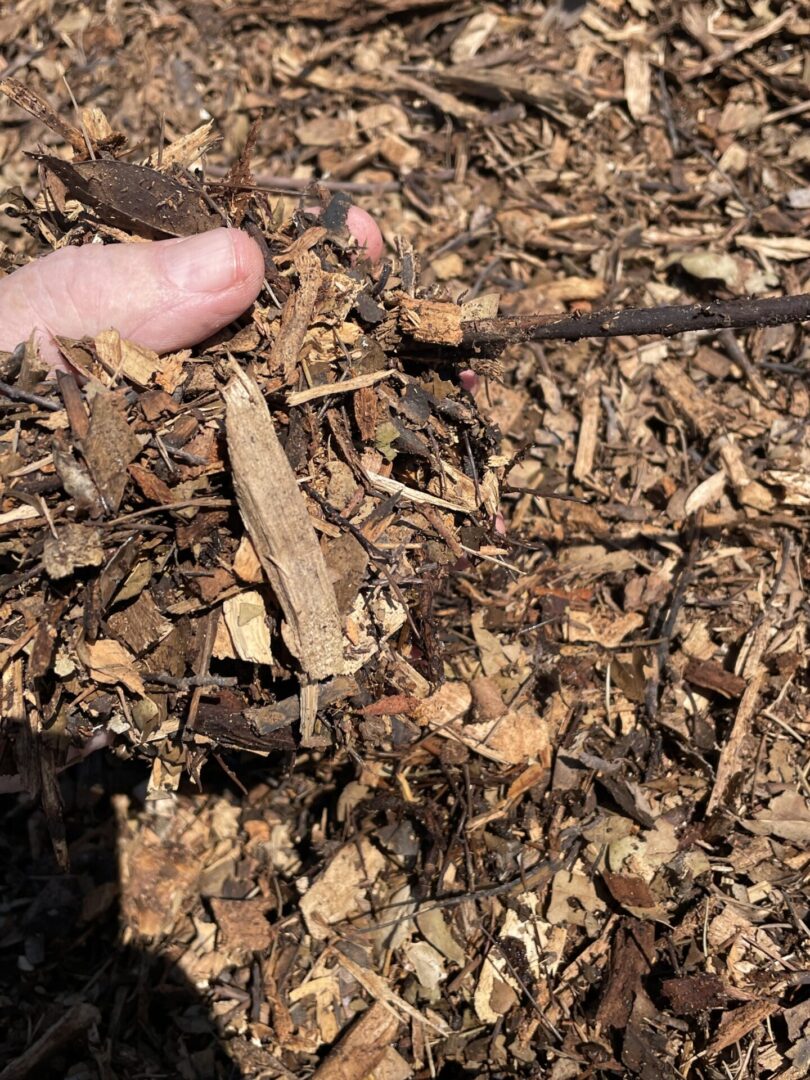
3. Mulch (The Protective Shield)
This is the layer most people underestimate—and it makes the biggest difference in hot weather.
A 2–3 inch layer of mulch:
- Shields soil from direct sun
- Keeps soil temperatures cooler
- Slows evaporation dramatically
- Protects your soil from drying winds
Without mulch, the sun is literally baking moisture out of your soil every day.
Mulch acts like sunscreen and insulation for your garden.
Why This System Works
This is what helps keep your garden thriving in heat without constant watering. When these three layers work together:
- Water stays in the soil longer
- Roots grow deeper and stronger
- Soil stays cooler—even on hot days
- Plants experience less stress
Instead of constantly watering, your garden becomes more self-regulating.
How to Water Smarter (Not More)
Once your layering system is in place:
- Water deeply, 2–3 times per week
- Let the top inch or two of soil dry between watering
- Check soil before watering—not the calendar
Pro tip:
If plants wilt in the afternoon but recover in the evening, they’re reacting to heat—not a lack of water.