Posts Tagged ‘soil health’
Bringing a Tired Lawn Back to Life — Starting With the Soil
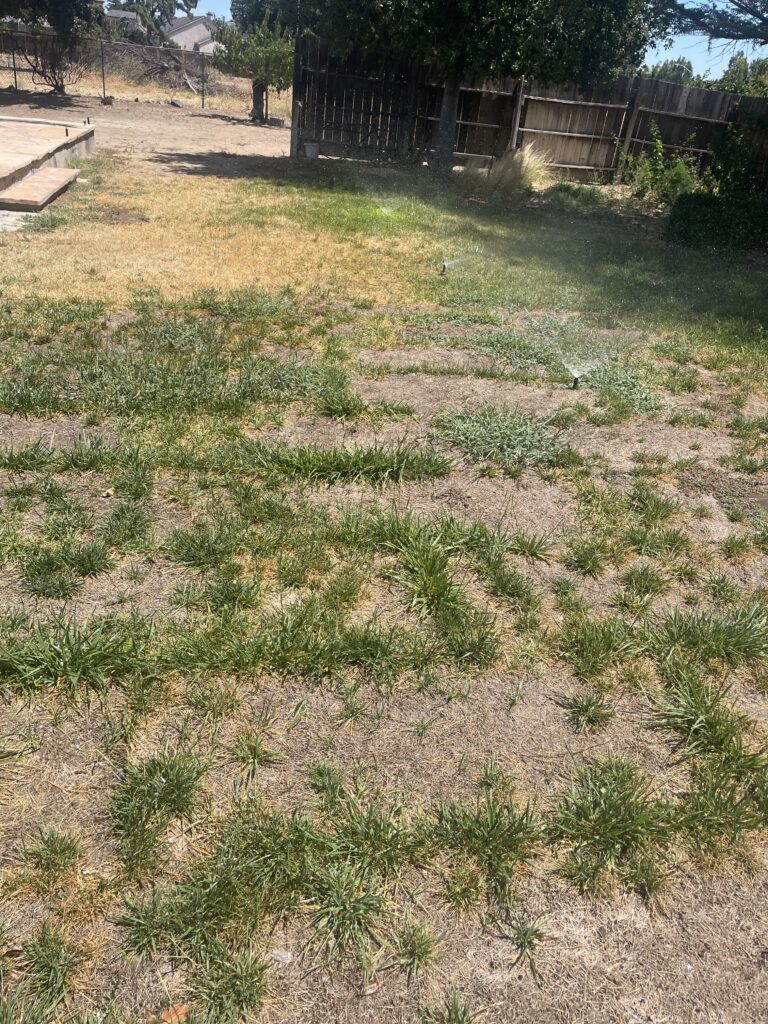
A tired, dry lawn doesn’t always need to be replaced. With water, compost, mowing, and a little patience, we began bringing our backyard lawn—and the life in the soil—back to health.
Read MoreUsing Compost and Worm Castings to Build Healthy Soil
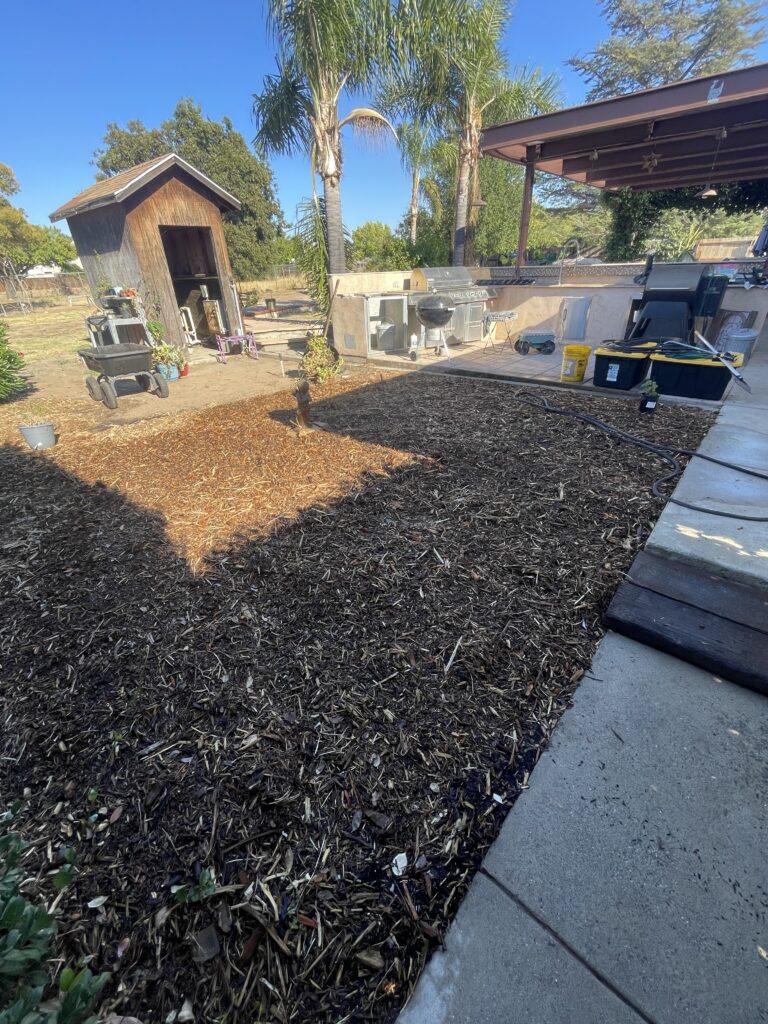
Today was a productive soil-building day at the new Delta Worms property in Oakley. We are using compost and worm castings to begin restoring two areas: the front lawn and Robin’s new herb garden. The landscaping here has been neglected, and our sandy soil dries quickly in the summer heat. Rather than reaching first for…
Read MoreGarden Mulch: One Thing Every Great Garden Has in Common

Garden Mulch: Four Famous Gardens One Common Secret. Garden mulch is one thing every great garden has in common. This year I visited several famous gardens—including the U.S. Capitol Rose Garden, Hearst Castle, and the Ronald Reagan Presidential Library—and every one of them used generous layers of mulch. Each garden is unique. Some receive plenty of…
Read MoreThree-Stage Home Composting System: From Kitchen Scraps to Living Soil
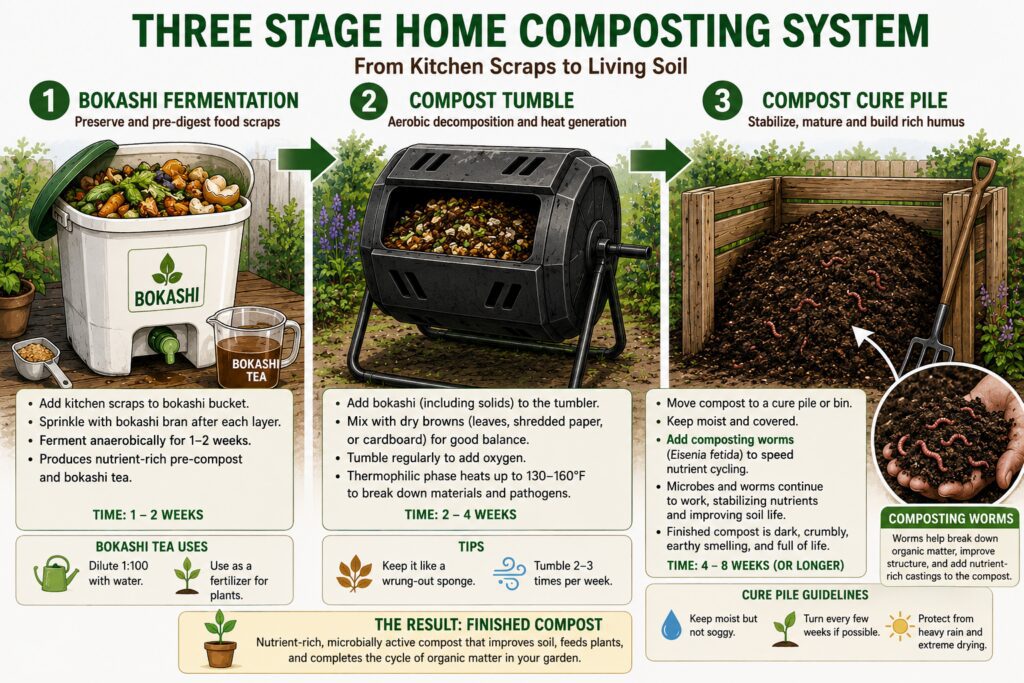
A three-stage home composting system produces more stable, biologically active compost while making better use of kitchen scraps and yard waste. Many gardeners believe compost is finished once it leaves the tumbler. In reality, compost continues maturing long after the active heating phase has ended. Each stage performs a different biological function, and together they create…
Read MoreHow to Improve Soil Naturally: 8 Proven Ways to Build Healthy Garden Soil
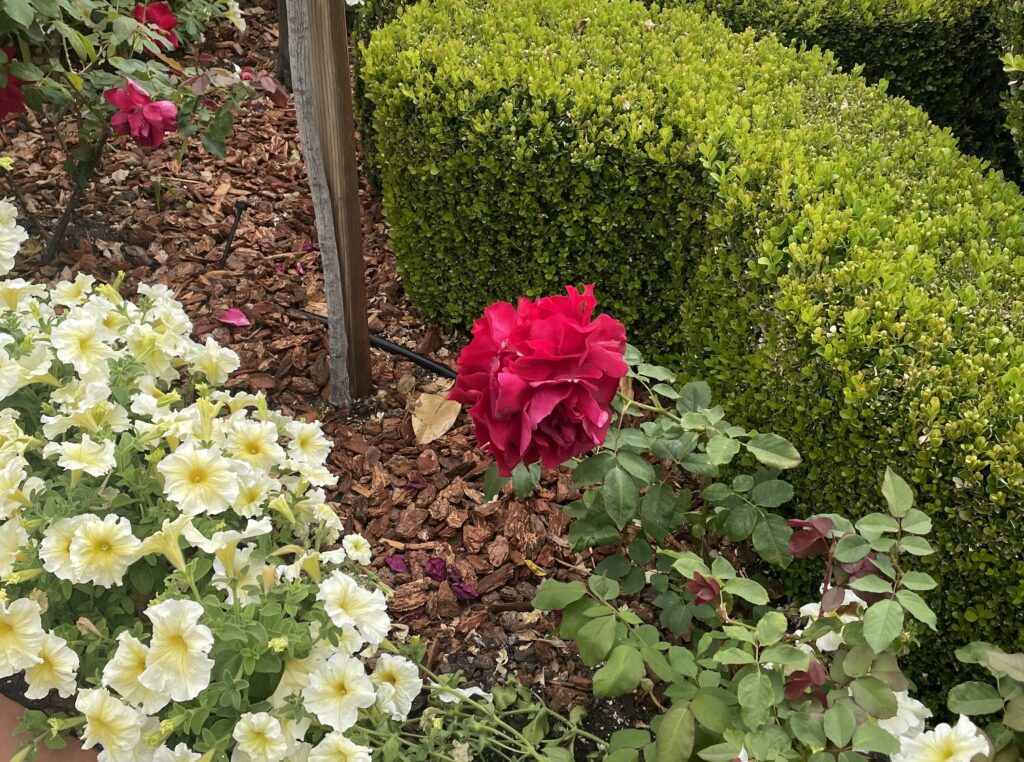
By Delta Worms Healthy soil is the foundation of every successful garden. Whether you’re growing vegetables, flowers, fruit trees, or houseplants, improving your soil naturally can lead to stronger plants, higher yields, better water retention, and fewer pest problems. Many gardeners focus on feeding their plants, but experienced growers know the secret is feeding the…
Read MoreWorm Castings vs Compost: Differences, Benefits & Uses
Many gardeners hear about both worm castings and compost as ways to improve soil health, but they often wonder whether one is better than the other. While both are excellent organic soil amendments, they serve different purposes and provide unique benefits. Understanding the differences between worm castings and compost can help you choose the right…
Read MoreWorm Castings for Water Retention | Improve Soil Naturally
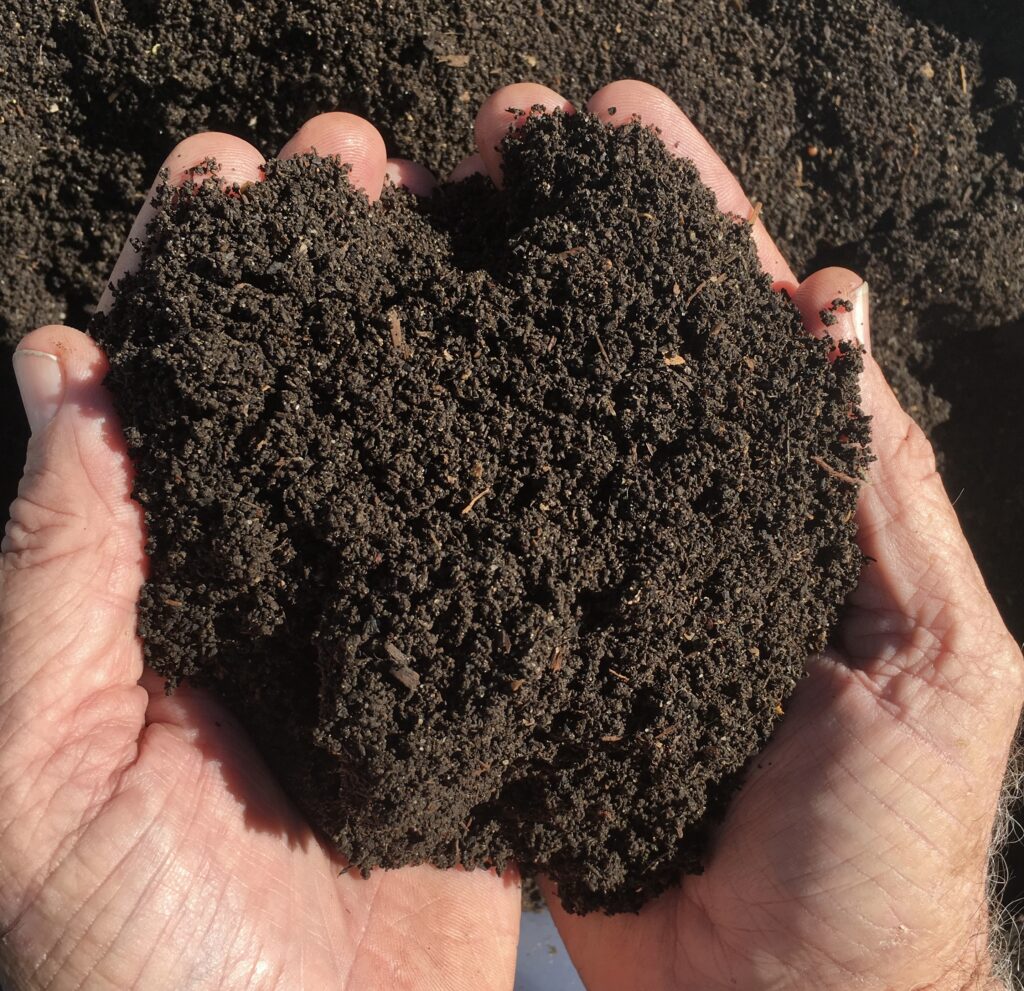
Water is one of the most important factors in plant growth, yet many gardeners and farmers struggle with dry soil, runoff, and frequent watering. Worm castings for water retention are becoming increasingly popular among gardeners looking to improve soil health naturally. If you’re searching for a natural way to improve soil moisture retention while supporting…
Read MoreHow Healthy Soil Helps Plants Survive Summer Heat Naturally
Healthy soil summer heat protection is one of the most important factors in keeping gardens productive during extreme temperatures. When the weather becomes hot and dry, healthy soil helps plants retain moisture, protect roots, and reduce stress naturally. Healthy soil acts like a natural cooling and support system for plants. It stores moisture, improves root…
Read MoreHealthy Soil Practices for Sustainable Farming | Family Harvest Farm
By Mary Cherry | Guest Contributor Healthy soil practices are the foundation of every successful farm. At Family Harvest Farm, we believe strong crops begin underground — with living soil rich in organic matter, beneficial microbes, and natural biology. Our farm was built around the idea that sustainable farming starts by caring for the soil…
Read MoreGrowing Tomatoes in East Contra Costa County: Tips for Bigger Harvests
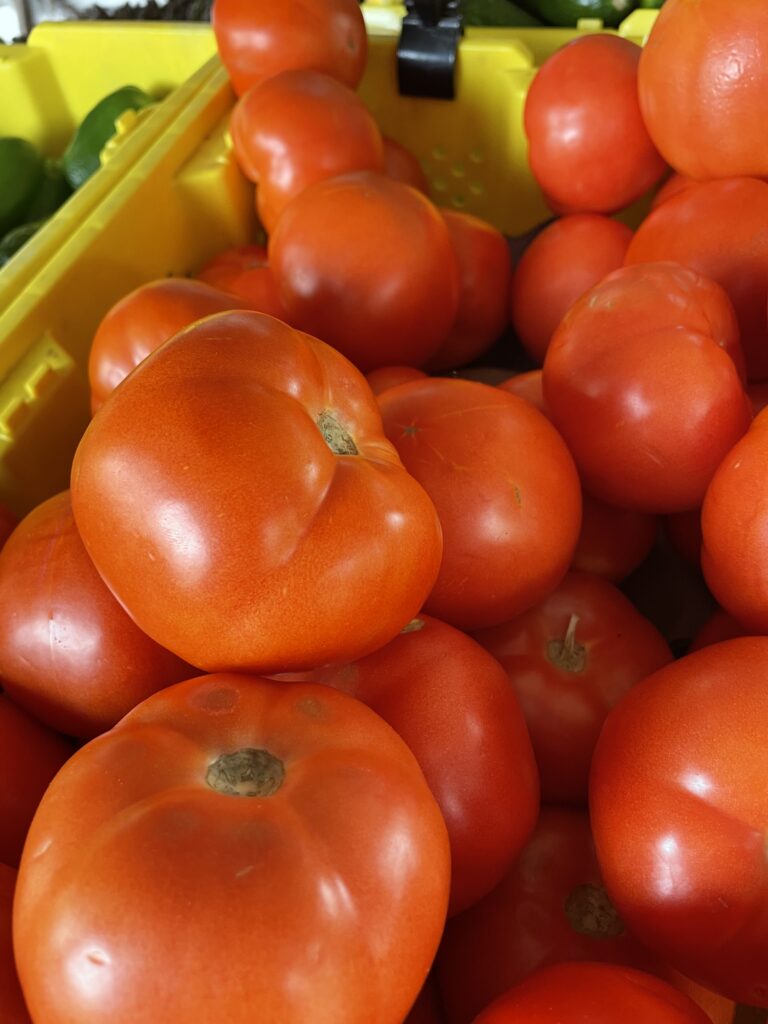
There’s nothing quite like picking a perfectly ripe tomato from your own backyard. In East Contra Costa County – from Antioch and Brentwood to Oakley and Discovery Bay – gardeners are uniquely positioned to grow some of California’s most flavorful tomatoes thanks to long sunny days, warm summers, and fertile growing conditions. Staking and twine…
Read More