Posts by Delta Worms
Building a Worm Rick: The First Four Weeks
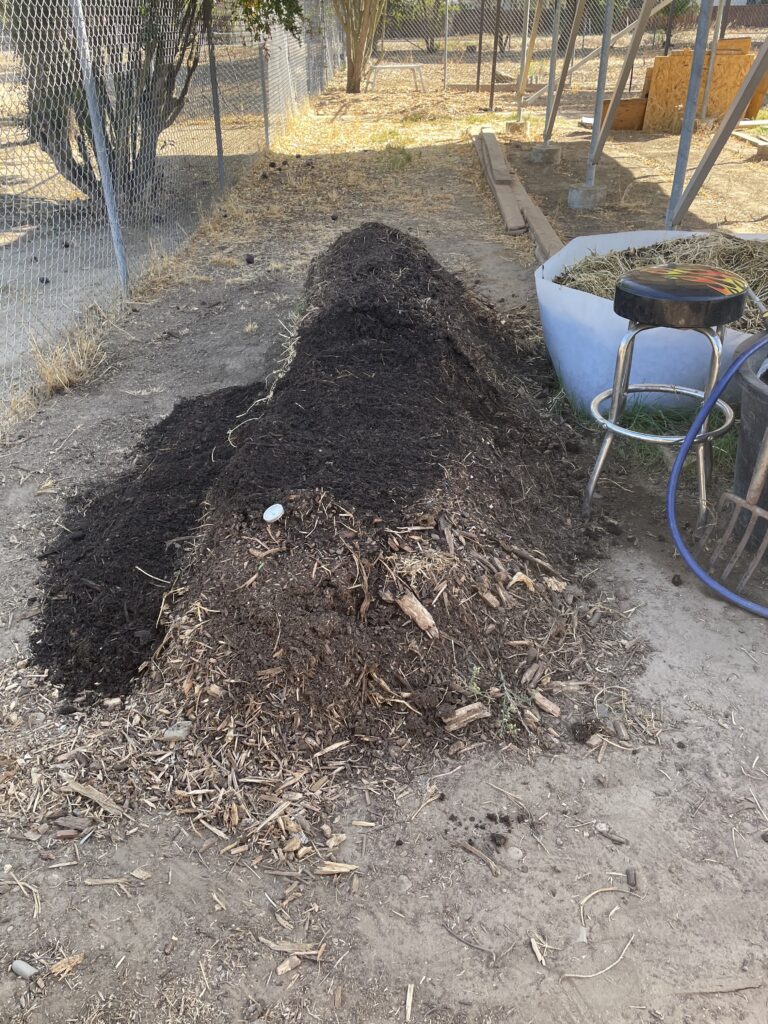
Four weeks after starting with mulch, our worm rick is taking shape. Follow the weekly additions, watering, temperature checks, and first reversal as we build the worm population and work toward finished castings.
Read MoreBringing a Backyard Garden to Life — One Plant at a Time
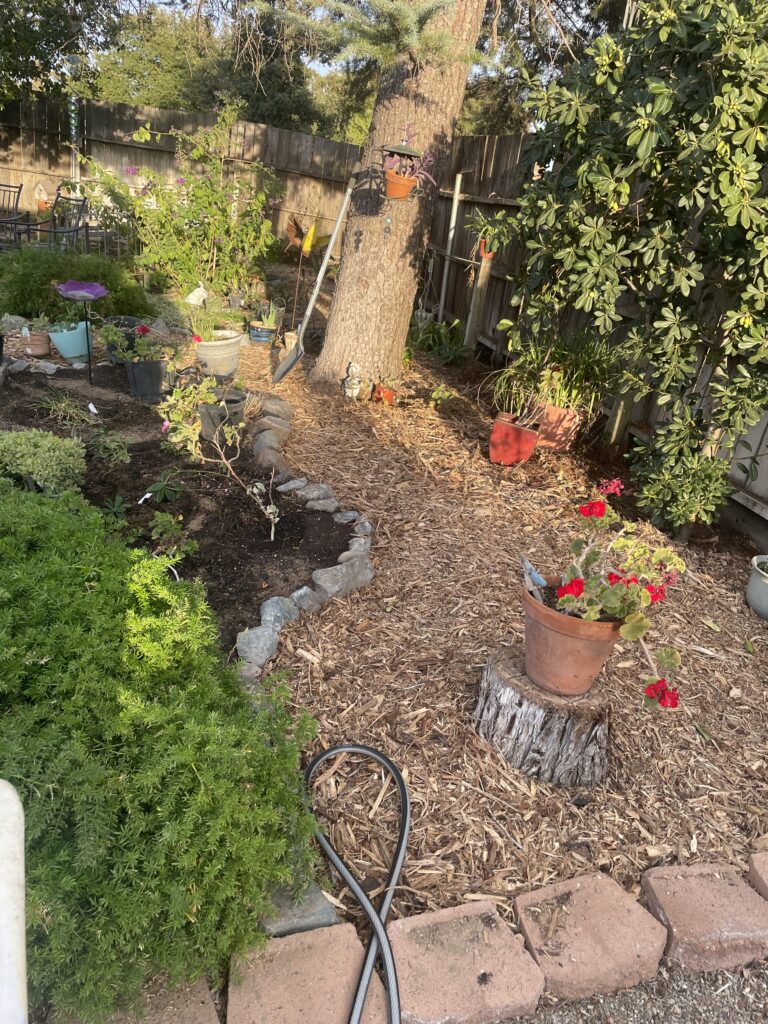
Robin brought more than 100 plants she has cared for over the years. Now, with compost, worm castings, mulch and a little heavy lifting, we’re giving those plants a garden to call home. She’s the artist; I’m helping prepare the canvas.
Read MoreBringing a Tired Lawn Back to Life — Starting With the Soil
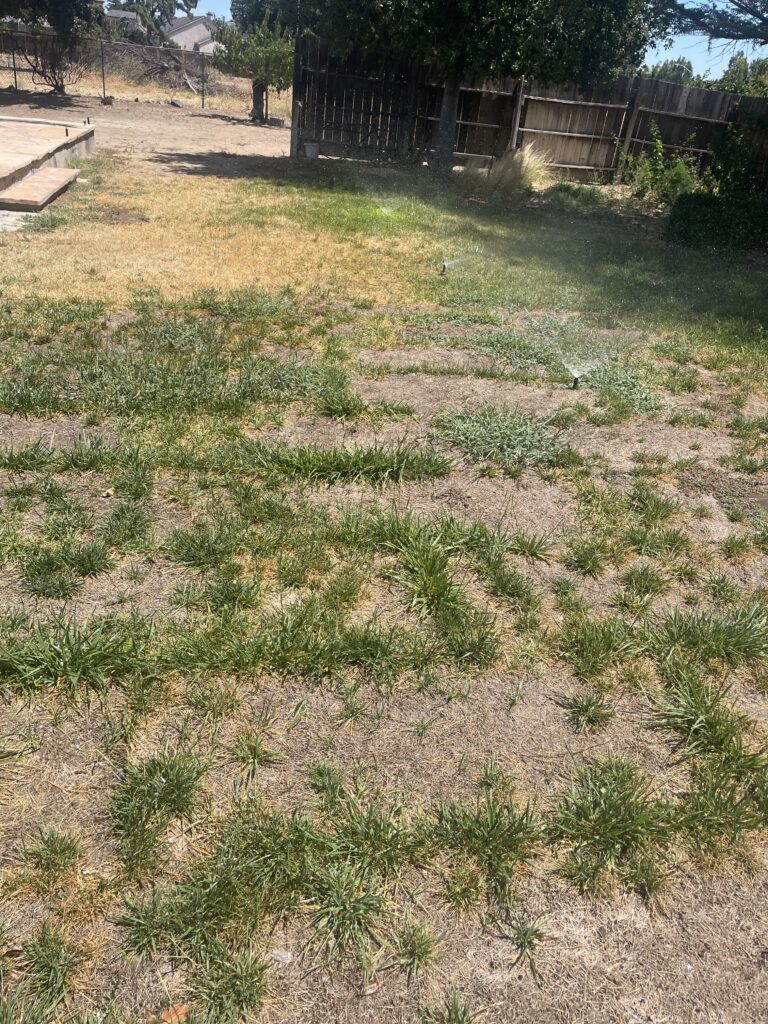
A tired, dry lawn doesn’t always need to be replaced. With water, compost, mowing, and a little patience, we began bringing our backyard lawn—and the life in the soil—back to health.
Read MoreBuilding Better Grow-Out Beds: Growing the Next Generation at Delta Worms
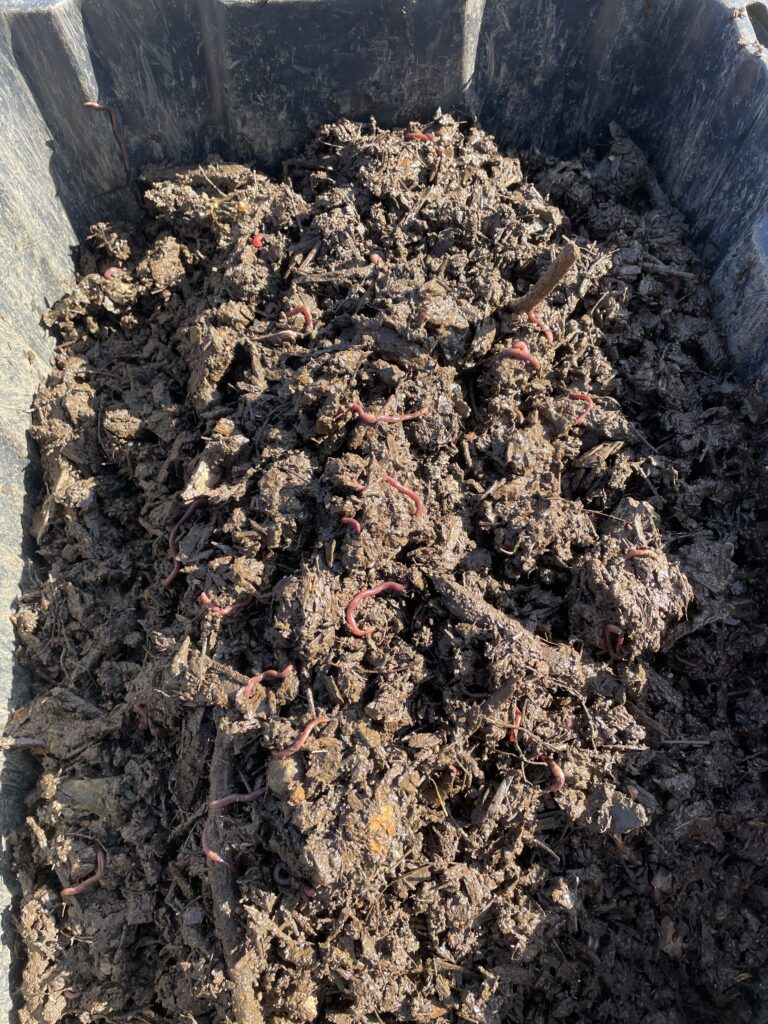
Building better worm grow-out beds means investing in the next generation. With 75 gallons of VermiStart from Sweet Earth Worm Farm, we’re adding worms, cocoons and active bedding to help grow our population. Combined with carefully managed habitat and pre-composted food, it’s another step toward sustainable production at Delta Worms.
Read MoreFrom Kitchen Scraps to Worm Superfood: The Delta Worms Pre-Composting System
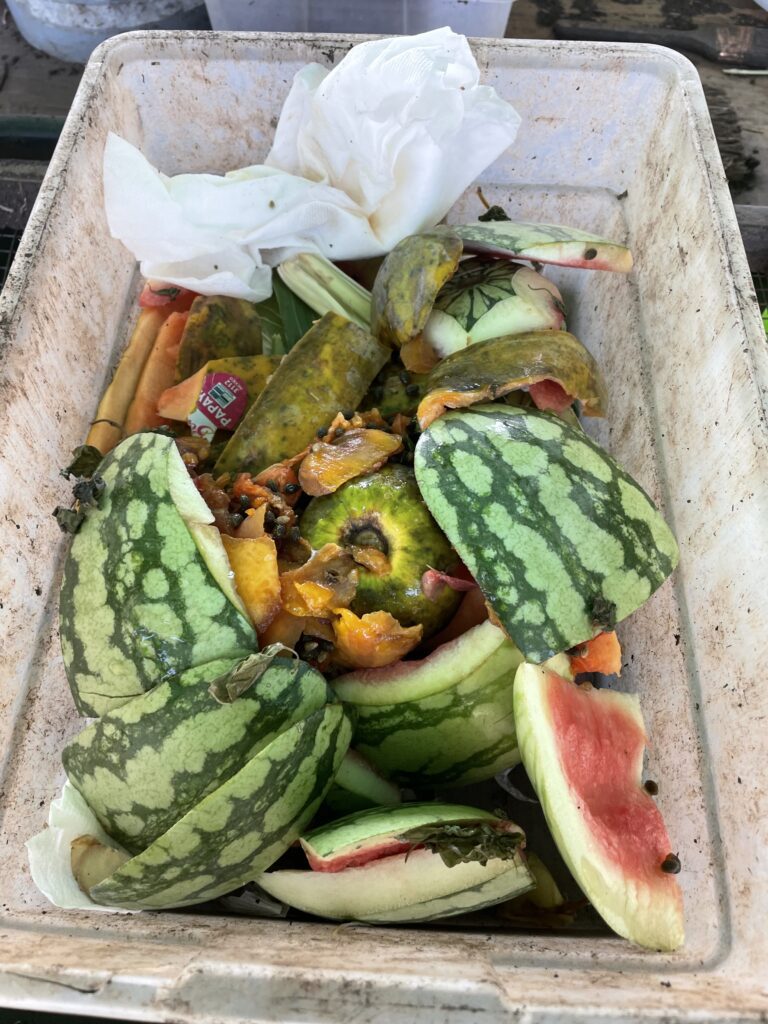
Kitchen scraps become worm superfood through a simple pre-composting process. See how Delta Worms combines food waste, arbor mulch, and selected additives to create a moist, biologically active food that worms quickly respond to.
Read MoreBuilding the New Delta Worms Wormery: From Food Scraps to Market-Ready Worms
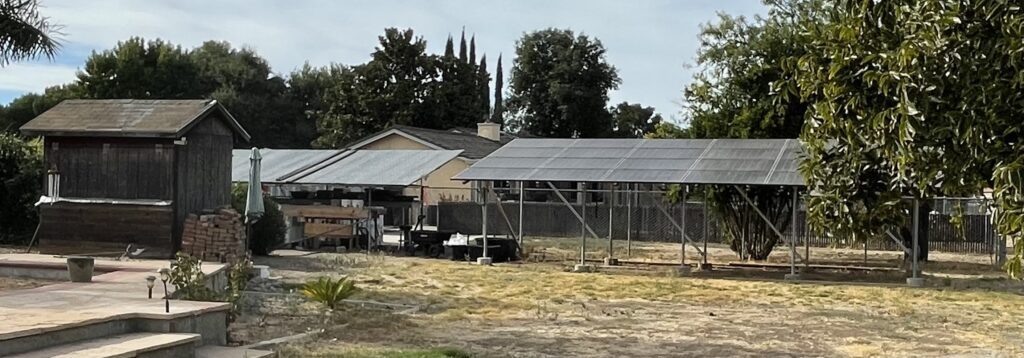
The new Delta Worms wormery is taking shape at the Oakley property. Follow our developing system from pre-composting and breeding to growing and holding market-ready worms.
Read MoreBuilding the Oakley Property: Three Projects That Will Shape the Garden This Fall
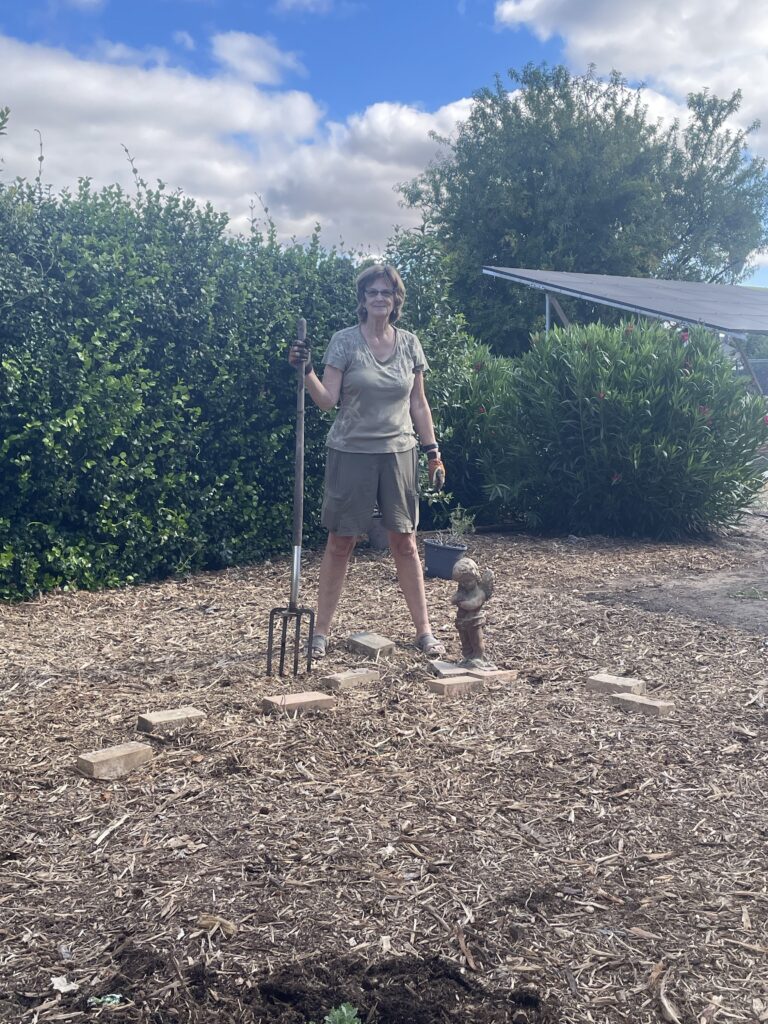
Three interconnected projects—the worm station, Robin’s herb garden and our first winter garden—are shaping the future of the Oakley property.
Read MoreUsing Compost and Worm Castings to Build Healthy Soil
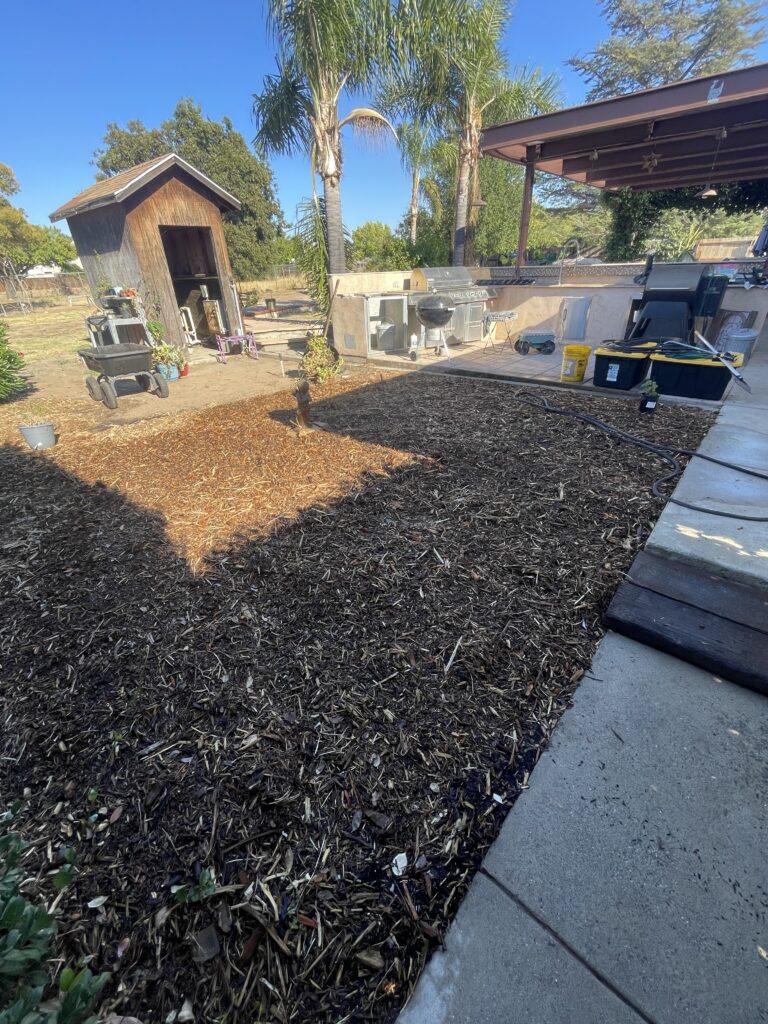
Today was a productive soil-building day at the new Delta Worms property in Oakley. We are using compost and worm castings to begin restoring two areas: the front lawn and Robin’s new herb garden. The landscaping here has been neglected, and our sandy soil dries quickly in the summer heat. Rather than reaching first for…
Read MoreGarden Mulch: One Thing Every Great Garden Has in Common

Garden Mulch: Four Famous Gardens One Common Secret. Garden mulch is one thing every great garden has in common. This year I visited several famous gardens—including the U.S. Capitol Rose Garden, Hearst Castle, and the Ronald Reagan Presidential Library—and every one of them used generous layers of mulch. Each garden is unique. Some receive plenty of…
Read MoreThree-Stage Home Composting System: From Kitchen Scraps to Living Soil
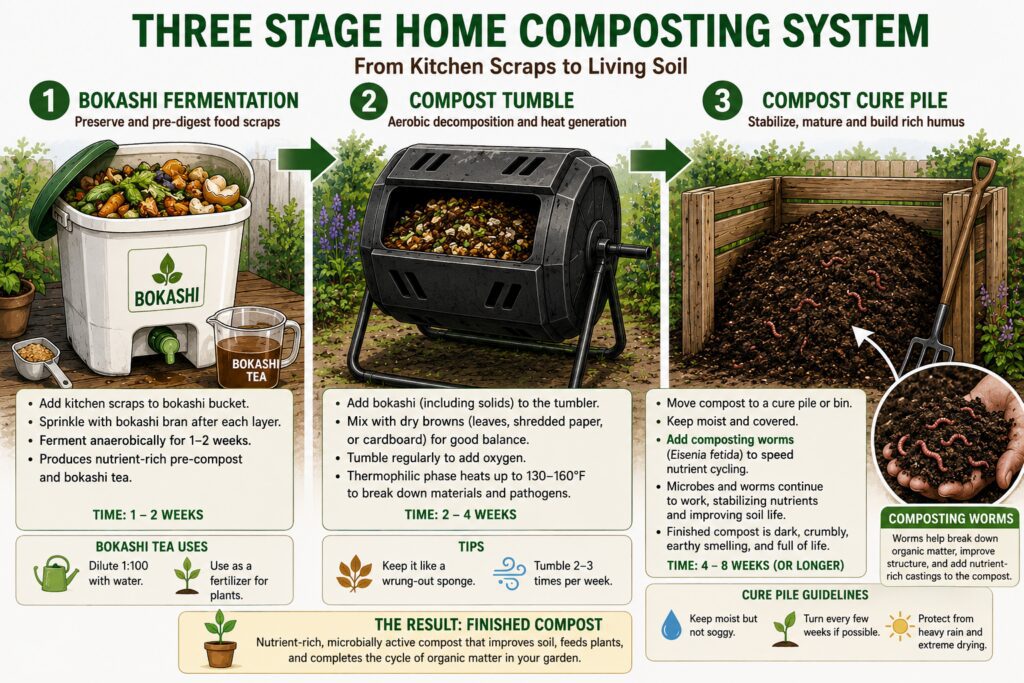
A three-stage home composting system produces more stable, biologically active compost while making better use of kitchen scraps and yard waste. Many gardeners believe compost is finished once it leaves the tumbler. In reality, compost continues maturing long after the active heating phase has ended. Each stage performs a different biological function, and together they create…
Read More