Healthy Soil Practices for Sustainable Farming | Family Harvest Farm
By Mary Cherry | Guest Contributor
Healthy soil practices are the foundation of every successful farm. At Family Harvest Farm, we believe strong crops begin underground — with living soil rich in organic matter, beneficial microbes, and natural biology.
Our farm was built around the idea that sustainable farming starts by caring for the soil first. Instead of relying heavily on synthetic inputs, we focus on natural growing methods that improve soil structure, support microbial life, and create healthier plants from the ground up.
Like the team at Delta Worms, we understand that healthy soil is not just dirt. It is a living ecosystem that directly impacts plant growth, water retention, nutrient availability, and long-term farm productivity.
About Family Harvest Farm
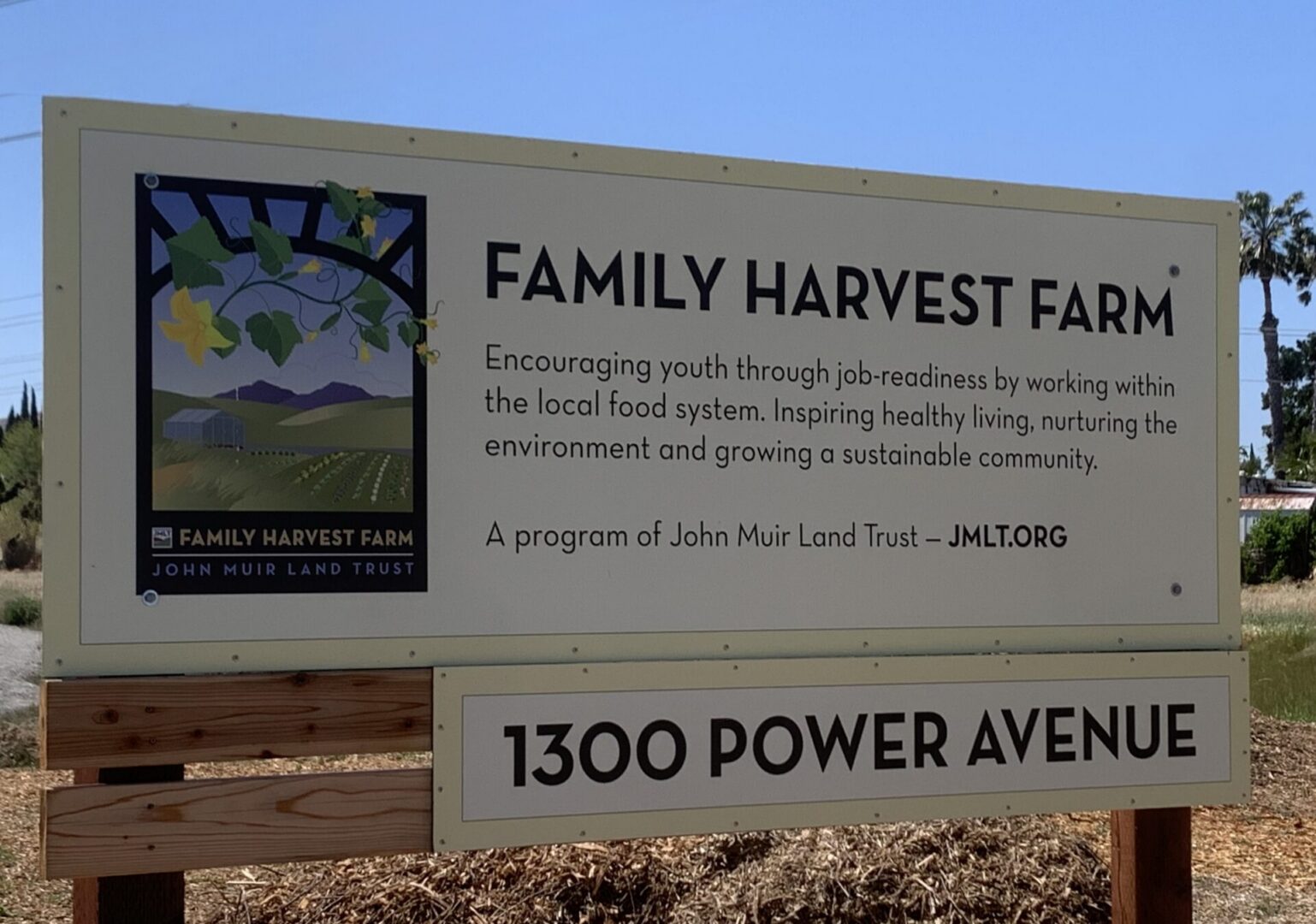
Family Harvest Farm is dedicated to growing healthy food while protecting and improving the land for future generations. Our farming practices focus on sustainability, soil health, and natural growing systems that work with nature instead of against it.
We grow a variety of seasonal crops while emphasizing regenerative farming techniques that help restore soil biology and improve long-term soil fertility. Every season, we work to create a balanced ecosystem where plants, soil organisms, compost, and natural amendments all contribute to healthier harvests.
Our approach includes:
- Building soil naturally through compost and organic matter
- Supporting beneficial microbial activity
- Reducing unnecessary chemical inputs
- Encouraging biodiversity throughout the farm
- Improving water retention and soil structure
- Growing nutrient-dense crops through healthy soil practices
For us, farming is more than producing food — it is about stewardship, sustainability, and building a healthier environment for our community.
Growing Community Through Farming
At Family Harvest Farm, we work with transition-age foster youth and use the farm as a place to learn real job skills, build confidence, and be part of something meaningful. Participants are involved in the full cycle of food — from sowing seeds and caring for the soil to harvesting, cooking, and eating together.
Along the way, they gain hands-on experience, connection to the land, and a deeper understanding of where food comes from and how it can bring people together. Through sustainable farming and healthy soil practices, we aim to create not only healthier crops, but also stronger communities and opportunities for personal growth.
Why Healthy Soil Practices Matter
Healthy soil supports nearly every part of successful farming. When soil contains active biology and organic matter, plants are better able to absorb nutrients, develop stronger roots, and withstand environmental stress.
Living soil also improves:
- Water retention during hot weather
- Nutrient cycling and availability
- Root development
- Soil aeration and structure
- Resistance to erosion and compaction
Over time, these healthy soil practices create stronger plants and more resilient growing systems.
At Family Harvest Farm, we see firsthand how soil biology influences plant health. When the soil ecosystem thrives, crops become more vigorous, balanced, and productive.
Compost and Healthy Soil Practices
One of the most important parts of regenerative farming is feeding the soil ecosystem. Compost and natural soil amendments help introduce organic matter and beneficial microorganisms back into the soil.
Healthy compost improves microbial diversity and helps create conditions where plants can naturally access nutrients over time. Instead of forcing
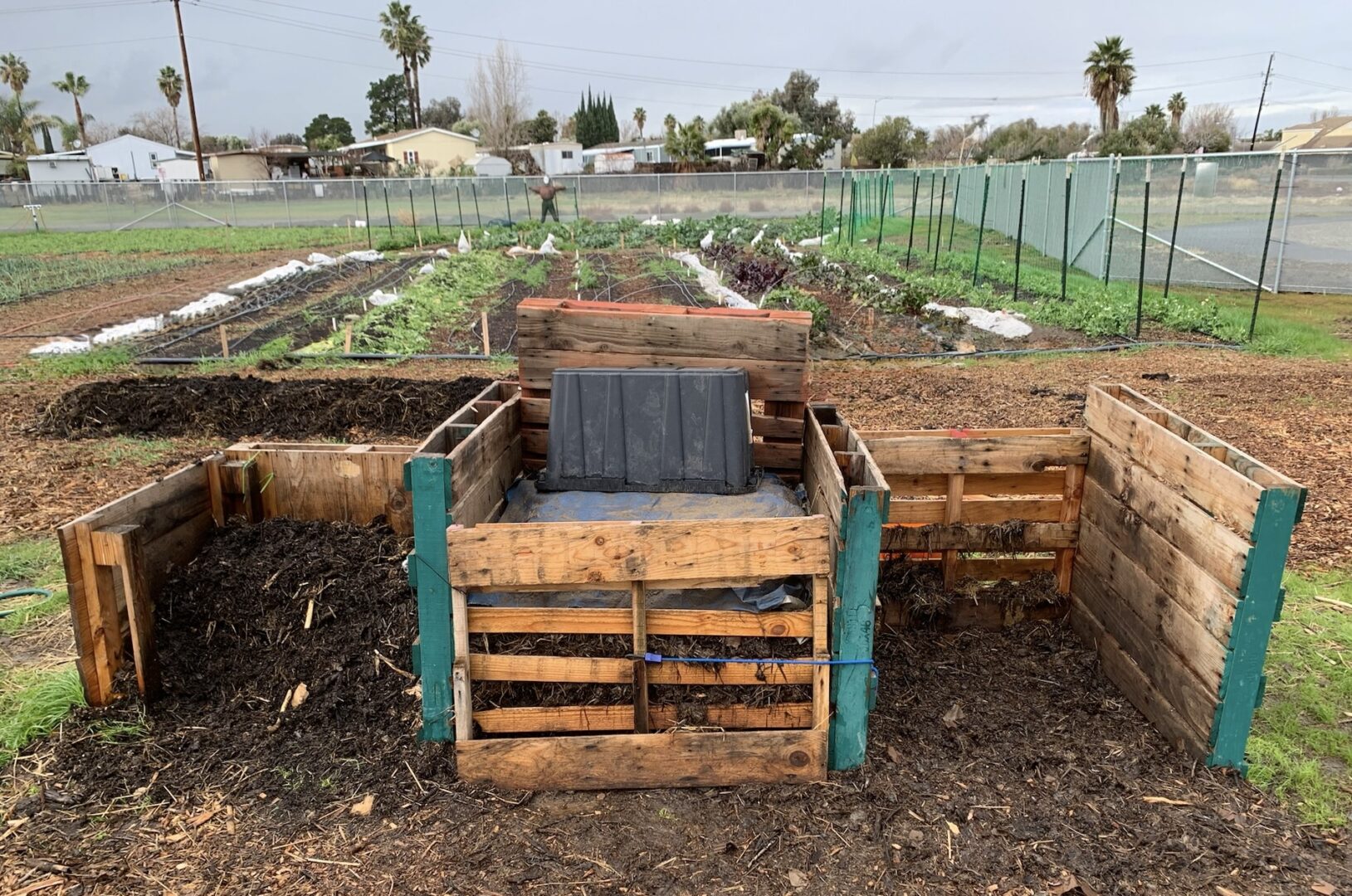
growth through synthetic fertilizers alone, regenerative systems allow soil biology to do much of the work.
This philosophy closely aligns with the mission behind Delta Worms and the importance of vermiculture, worm castings, and living soil.
By focusing on soil health first, farms and gardens can build long-term sustainability while producing healthier plants and harvests.
Building a More Sustainable Future
Sustainable farming is ultimately about long-term thinking. Healthy soil today creates healthier harvests tomorrow.
At Family Harvest Farm, we believe every grower — whether managing a large farm, backyard garden, or raised bed — can benefit from understanding how soil biology works. Small improvements to soil health can create lasting results over time.
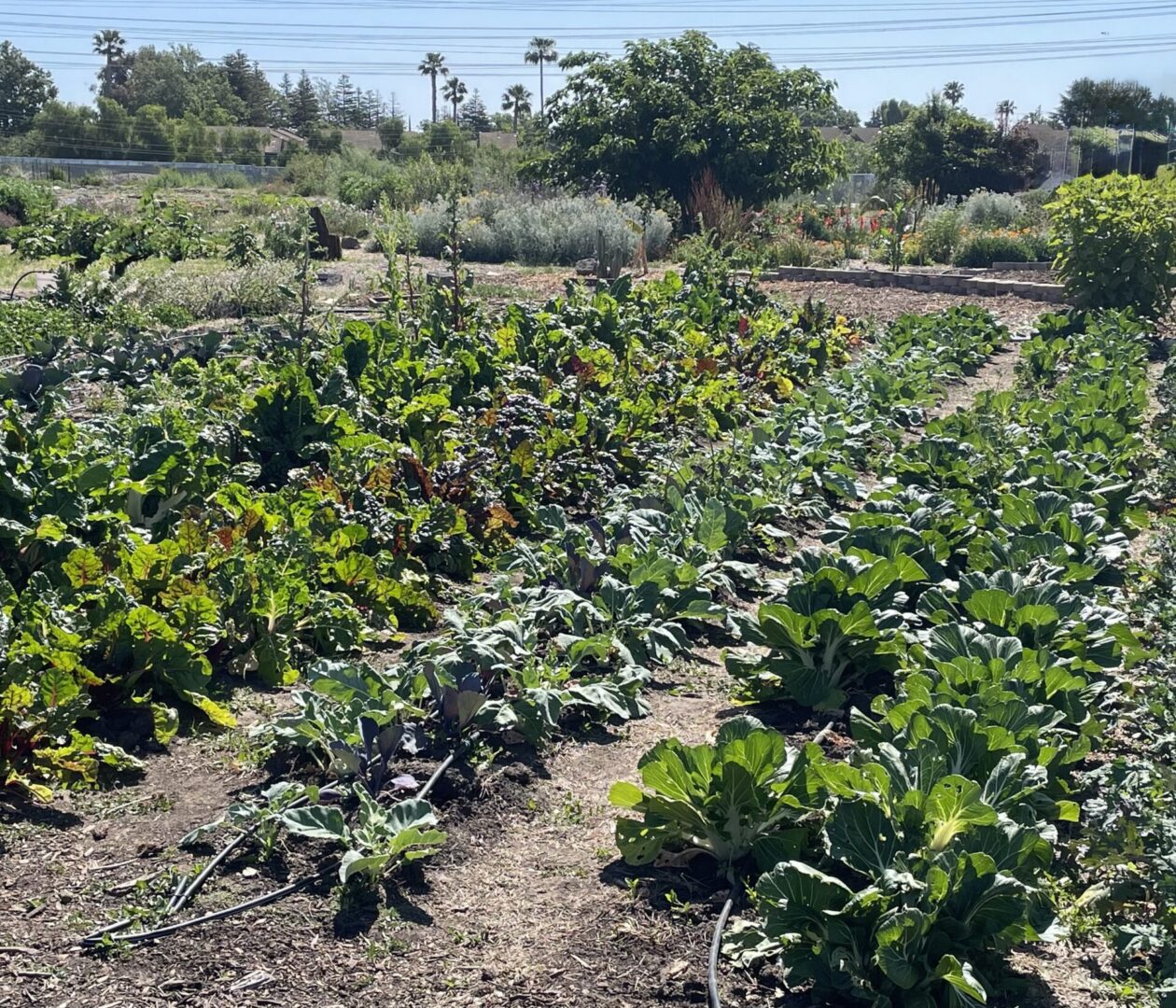
As more growers begin focusing on compost, soil microbes, regenerative farming, and natural growing methods, we move closer to creating healthier food systems and more resilient local agriculture.
We are grateful for the opportunity to share our story with the Delta Worms community and connect with others who value living soil and sustainable growing.
Final Thoughts
Healthy soil is one of the most valuable resources any grower has. By supporting soil biology, adding organic matter, and working with natural systems, farms and gardens can become more productive, resilient, and sustainable.
At Family Harvest Farm, we remain committed to growing healthy food while protecting the land for future generations. We appreciate Delta Worms for continuing to educate growers about soil health, composting, and regenerative gardening practices.
Together, small changes beneath the surface can create powerful results above ground.
Frequently Asked Questions
What are healthy soil practices?
Healthy soil practices include composting, adding organic matter, reducing unnecessary chemical inputs, supporting beneficial microbes, and protecting soil structure. These methods help create biologically active soil that supports healthier plants and long-term sustainability.
Why is soil health important for sustainable farming?
Healthy soil improves water retention, nutrient availability, root development, and overall crop resilience. Sustainable farming depends on living soil ecosystems that support productive harvests while protecting the environment for future generations.
How does compost improve soil health?
Compost adds organic matter and beneficial microorganisms back into the soil. This helps improve soil structure, microbial activity, nutrient cycling, and moisture retention while supporting healthier plant growth naturally.
What is regenerative farming?
Regenerative farming focuses on rebuilding soil health and supporting natural ecosystems through practices such as composting, cover cropping, reduced tillage, and biodiversity. The goal is to improve soil biology and create more resilient agricultural systems over time.
How do healthy soils support plant growth?
Healthy soils contain active microbial life, balanced organic matter, and proper soil structure that help plants absorb nutrients and water more efficiently. Strong soil biology also supports healthier roots and improved plant resilience during environmental stress.
What role do microbes play in soil health?
Beneficial soil microbes help break down organic matter, cycle nutrients, support root health, and improve soil fertility. A diverse microbial ecosystem is one of the key foundations of healthy soil practices and regenerative agriculture.
Mary Cherry is the head farmer at Family Harvest Farm, where she focuses on regenerative agriculture, healthy soil practices, composting systems, and sustainable food production. With a passion for soil health and natural growing methods, she works to create thriving farm ecosystems that support healthier crops, stronger soil biology, and long-term environmental stewardship. Mary enjoys educating growers about the connection between living soil, sustainable farming, and resilient harvests for future generations.