How Healthy Soil Helps Plants Survive Summer Heat Naturally
Healthy soil summer heat protection is one of the most important factors in keeping gardens productive during extreme temperatures. When the weather becomes hot and dry, healthy soil helps plants retain moisture, protect roots, and reduce stress naturally.
Healthy soil acts like a natural cooling and support system for plants. It stores moisture, improves root health, and creates a stable environment that helps plants stay resilient even during long stretches of heat.
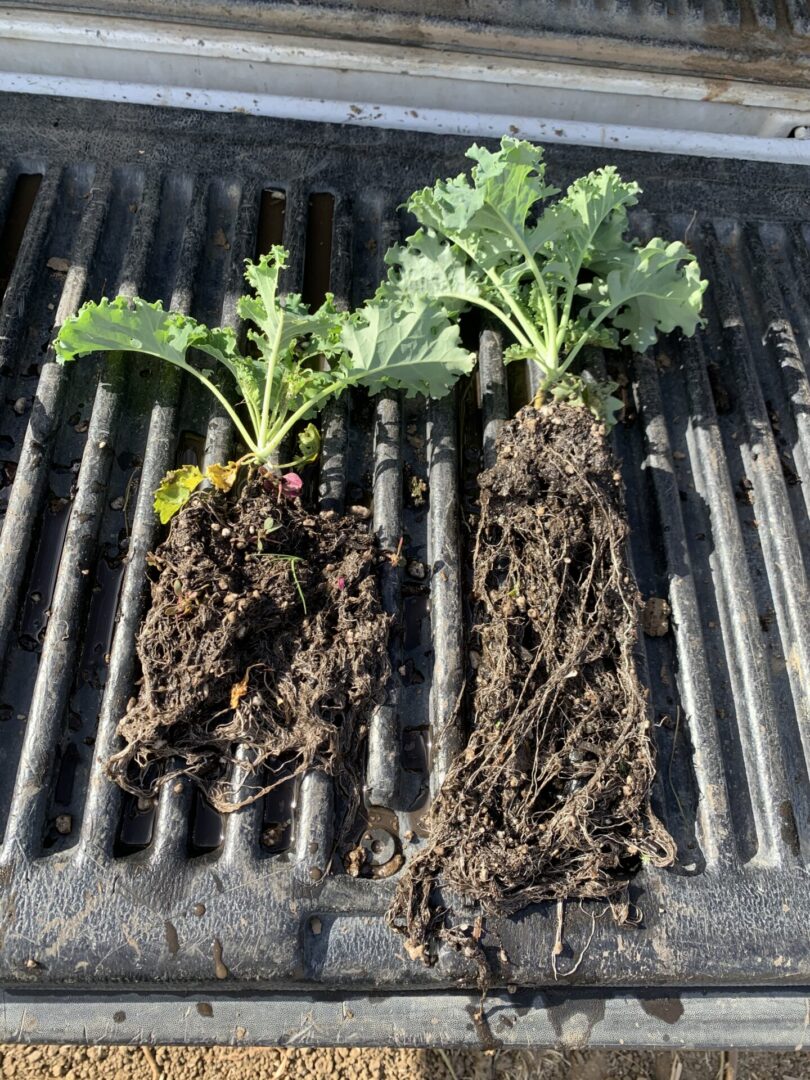
Healthy Soil Holds More Water
One of the biggest dangers during summer heat is rapid moisture loss. Dry soil heats up quickly and forces plants into survival mode. Healthy soil, however, contains organic matter such as compost, decomposed leaves, and microbial life that help it retain water much longer.
Organic-rich soil works like a sponge. It absorbs rainfall and irrigation efficiently, then slowly releases moisture back to plant roots over time. This reduces the frequency of watering and helps plants stay hydrated during the hottest parts of the day.
In contrast, compacted or poor-quality soil drains unevenly and dries out quickly, leaving roots vulnerable to heat damage.
Strong Roots Mean Stronger Plants
Healthy soil encourages deep and extensive root systems. When roots can grow freely through loose, nutrient-rich soil, plants become better equipped to access water stored deeper underground.
Deep roots are especially important during heat waves because surface moisture evaporates rapidly. Plants with shallow roots struggle to survive when the top layer of soil becomes dry and hot.
Healthy soil structure also improves oxygen flow underground, which keeps roots active and healthy even in stressful conditions.
Soil Biology Protects Plants from Stress
Living soil contains billions of beneficial microorganisms, fungi, earthworms, and bacteria. These organisms break down organic matter, release nutrients, and create healthier growing conditions.
Some soil microbes even help plants tolerate heat stress by improving nutrient uptake and supporting stronger immune responses. Mycorrhizal fungi, for example, form partnerships with plant roots that expand their ability to absorb water.
A thriving soil ecosystem creates a more balanced environment where plants can adapt better to changing weather conditions.
Mulch and Organic Matter Keep Soil Cooler
Healthy soil is often covered with mulch or natural organic materials that protect it from direct sunlight. Bare soil can become extremely hot during summer afternoons, damaging roots and accelerating water evaporation.
Mulch acts like insulation. It helps regulate soil temperature, keeps moisture locked in, and reduces stress on plants. Over time, mulch also breaks down and adds more organic matter to the soil, further improving its health.
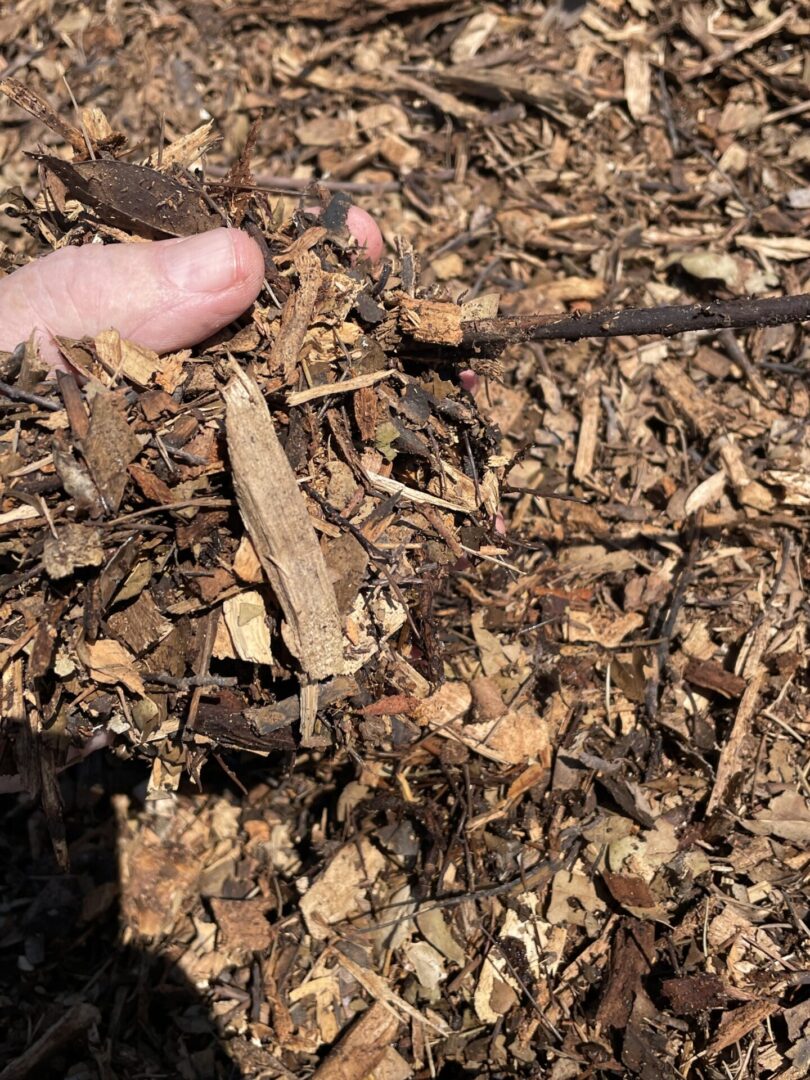
Common mulch materials include:
- Straw
- Wood chips
- Shredded leaves
- Grass clippings
- Compost
Even a thin layer can make a significant difference during hot weather.
Nutrient Balance Improves Heat Resistance
Plants under heat stress need access to steady nutrients to maintain growth and recovery. Healthy soil naturally stores and cycles nutrients more effectively than depleted soil.
Balanced soil nutrition supports:
- Strong leaf development
- Better water regulation
- Improved photosynthesis
- Faster recovery after heat exposure
Over-fertilized or nutrient-poor soils can make plants more sensitive to heat, causing wilting, leaf scorch, or slowed growth.
Building Healthy Soil for Hot Summers
Improving soil health does not happen overnight, but small changes can create lasting benefits. Gardeners and growers can strengthen soil by:
- Adding compost regularly
- Avoiding excessive tilling
- Using mulch year-round
- Planting cover crops
- Reducing chemical overuse
- Encouraging earthworms and beneficial microbes
These practices improve soil structure and create a stronger foundation for plants during extreme summer conditions.
Finals Thoughts
Summer heat can be tough on gardens, farms, and landscapes, but healthy soil gives plants a powerful advantage. Soil rich in organic matter and biological activity holds moisture longer, protects roots, and helps plants recover from environmental stress.
Instead of fighting heat with water alone, building healthy soil creates a long-term solution that improves plant resilience season after season. Healthy plants begin with healthy soil — especially when temperatures rise.
Frequently Ask Questions
How does healthy soil help plants during hot weather?
Healthy soil retains moisture, keeps roots cool, and provides nutrients that help plants survive heat stress.
What type of soil holds water best in summer?
Soil rich in organic matter and compost holds water more effectively during hot weather.
Can mulch help plants survive summer heat?
Yes, mulch insulates the soil, reduces evaporation, and keeps root temperatures stable.
Why do plants wilt even after watering in extreme heat?
High temperatures can stress roots and increase evaporation faster than plants can absorb water.