Preparing the Rose Garden: Starting With the Soil
Before planting new roses at our Oakley property, we’re giving the soil a head start with mulch, moisture, and protective cover.
At our Oakley property, we’ve begun spreading mulch to prepare the rose garden for the improvements ahead. So far, we’ve spent four days on the project, and we expect it will take another two or three days to finish.
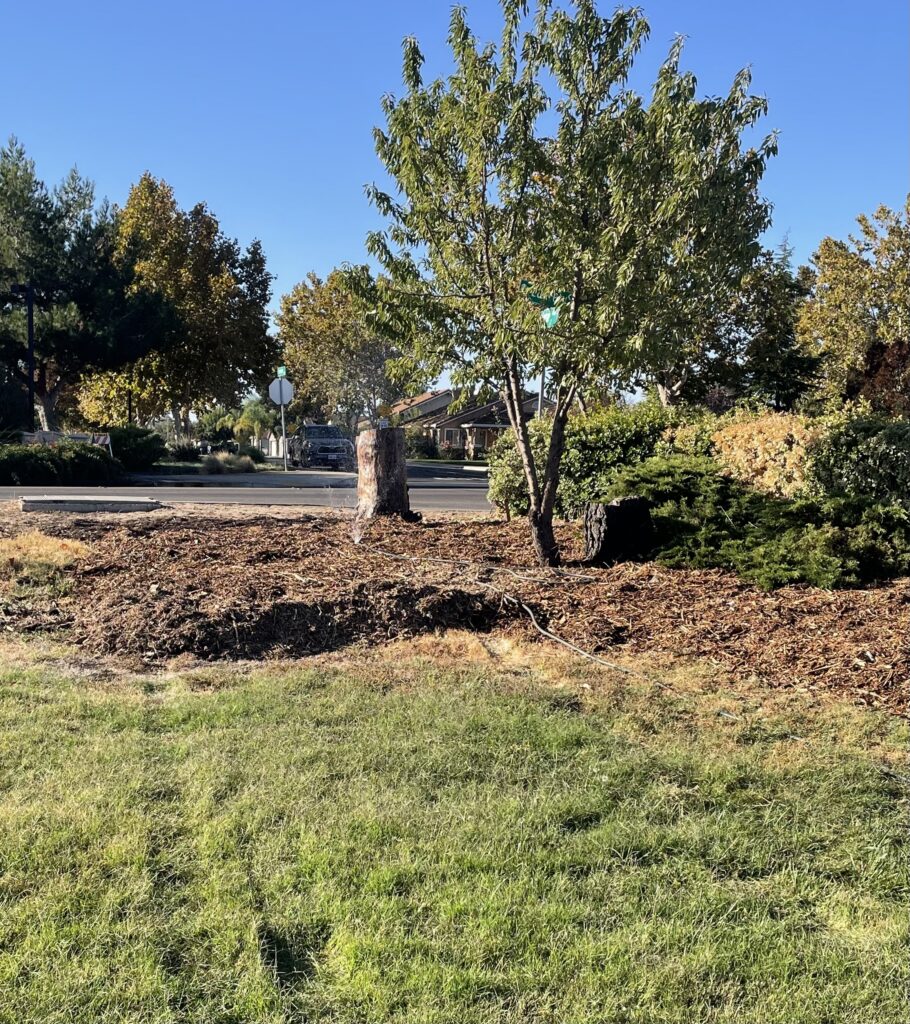
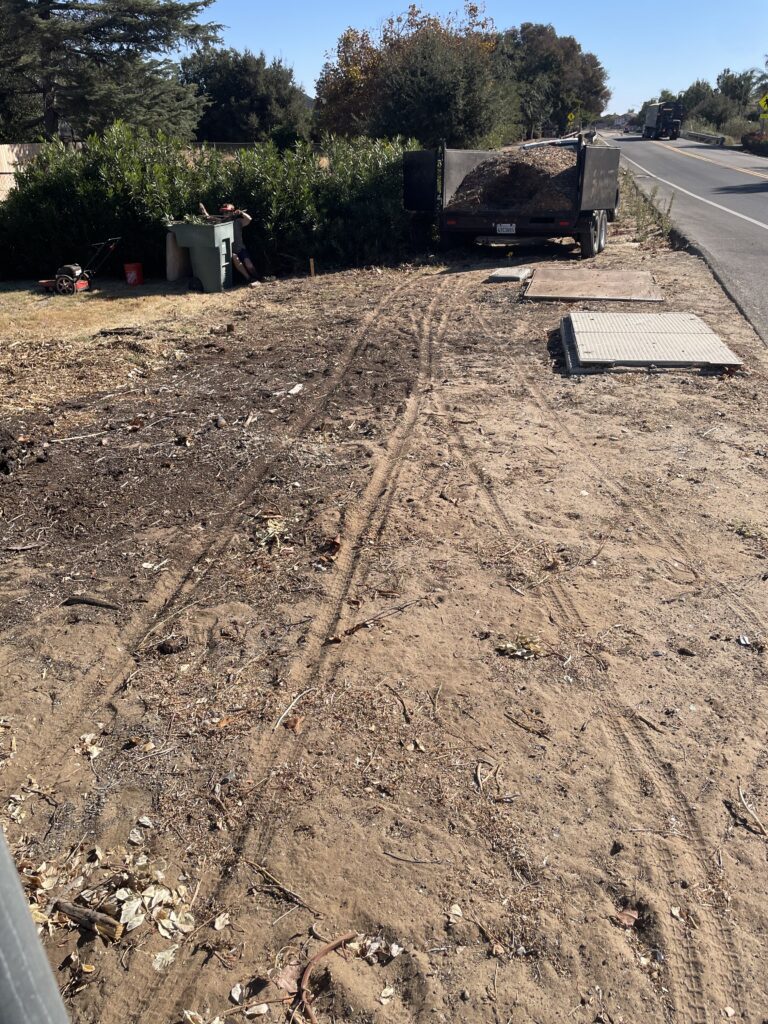
I’ve had help from fellow DIG members Robin and Fred. Together, we’ve been moving and spreading mulch across the garden, one cartload at a time.
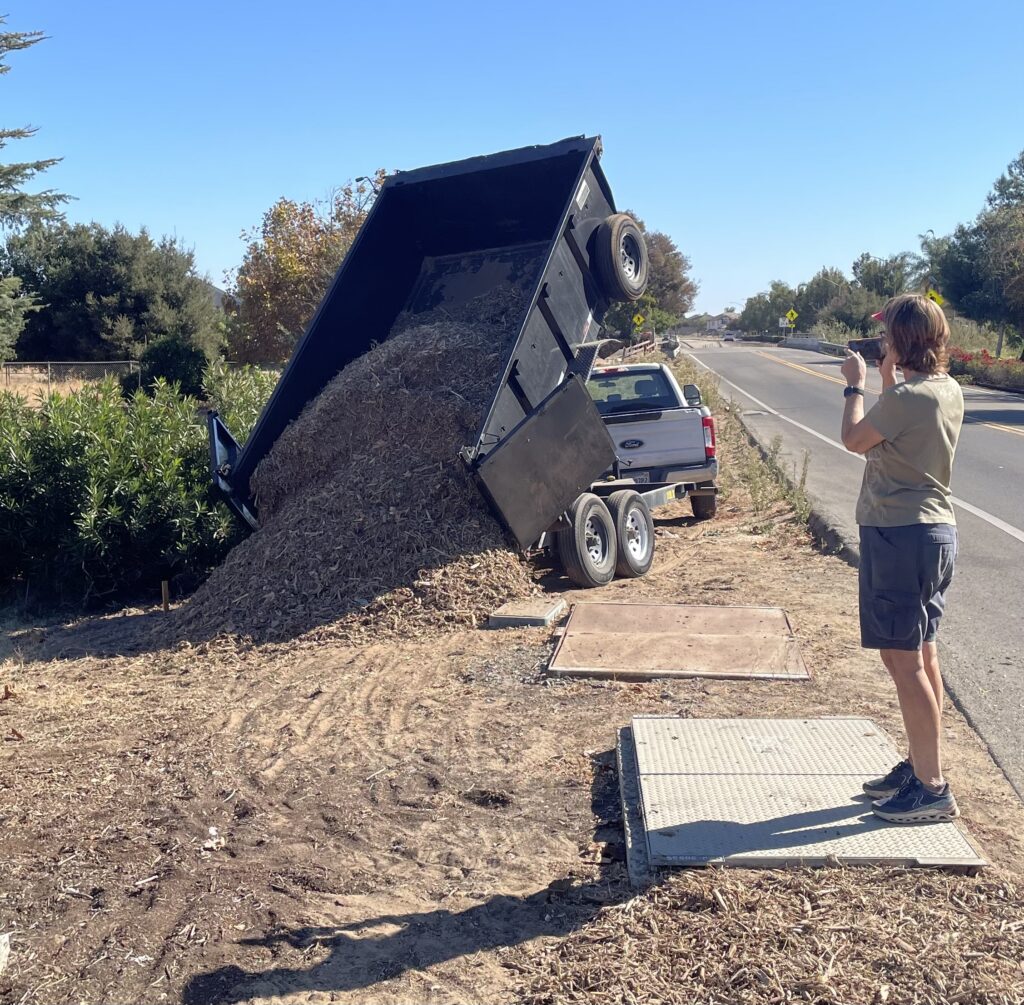
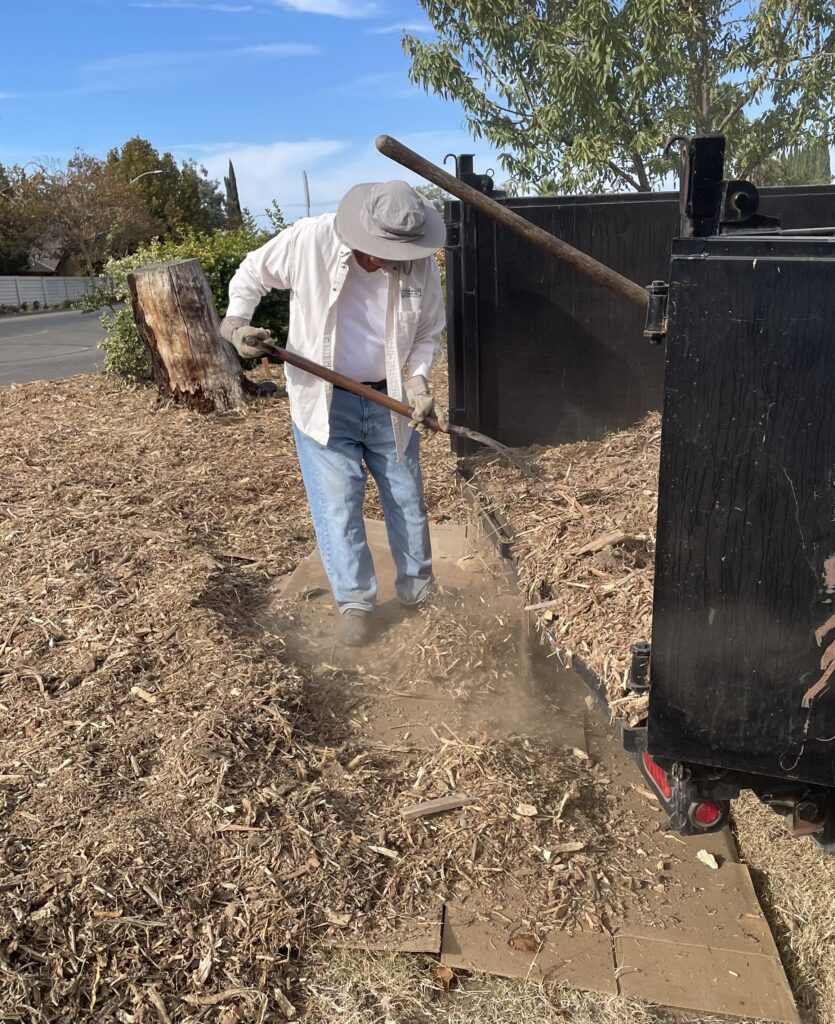
Our goal is to get the mulch down before the winter rains arrive. That will give the soil approximately three months to benefit from the moisture and protective cover before we begin planting.
Preparing Soil for Roses: Why Start With Mulch?
When we think about a beautiful rose garden, we usually picture the blooms. But what happens below the surface is an important part of growing healthy plants.
Three things we’re focusing on are moisture, organic matter, and keeping the soil covered. Mulch helps with all three.
Moisture
Soil organisms need moisture to stay active, and plant roots need water to grow. A layer of mulch helps slow evaporation from the soil surface, allowing moisture to remain in the ground longer.
By spreading the mulch before the rains, we’re preparing the garden to make use of the moisture winter brings.
Organic Matter
The wood mulch is organic material. Over time, fungi and other organisms gradually break it down, especially where it meets the soil. This process can add organic matter to the soil and support the living community beneath our feet.
The changes won’t happen all at once. Building healthy soil is a gradual process, and the mulch will continue to break down well beyond the three months before planting.
Cover
In nature, soil is often protected by leaves, plant material, or other organic matter. Covering the soil helps shield its surface from sun, wind, and the impact of heavy rain.
Think of mulch as a protective blanket for the soil. It creates a more sheltered environment for the organisms that help cycle nutrients and contribute to soil structure.
Letting the Soil Go to Work
Our plan is to finish spreading the mulch, welcome the winter rains, and give the soil time before we plant.
During that period, moisture and soil organisms will begin working on the organic material at the soil surface. Earthworms, fungi, bacteria, and other small organisms all play a part in the life of the soil.
We don’t expect the garden soil to be completely transformed in three months. But this is a good start—one that we can build on as the rose garden develops.
A Little Help With Weeds, Too
Before spreading the mulch in some areas, we placed cardboard over the soil and existing grass. The cardboard and mulch work together to block sunlight, helping suppress weeds and smother the grass underneath. Over time, the cardboard will break down. Some persistent grass or weeds may still find their way through, so we’ll keep an eye on the area.
A Project We Can Learn From

There’s still more mulch to spread and plenty of work ahead, but the first steps are already making a visible difference.
Thank you to Robin and Fred for helping with this project. We’ll continue sharing our progress as we prepare the soil, make improvements, and get ready to plant.
A healthy rose garden starts from the ground up.