Worm Castings for Water Retention | Improve Soil Naturally
Water is one of the most important factors in plant growth, yet many gardeners and farmers struggle with dry soil, runoff, and frequent watering. Worm castings for water retention are becoming increasingly popular among gardeners looking to improve soil health naturally. If you’re searching for a natural way to improve soil moisture retention while supporting healthier plants, worm castings may be the solution you’ve been missing. Worm castings are often called “black gold” in gardening because they improve soil structure, increase microbial activity, and help soil hold water more efficiently. Whether you’re growing vegetables, flowers, lawns, or houseplants, adding worm castings to your soil can dramatically reduce water stress and improve long-term plant health.
In this guide, we’ll explore how worm castings improve water retention, why they outperform many synthetic soil amendments, and how to use them effectively in your garden.
What Are Worm Castings?
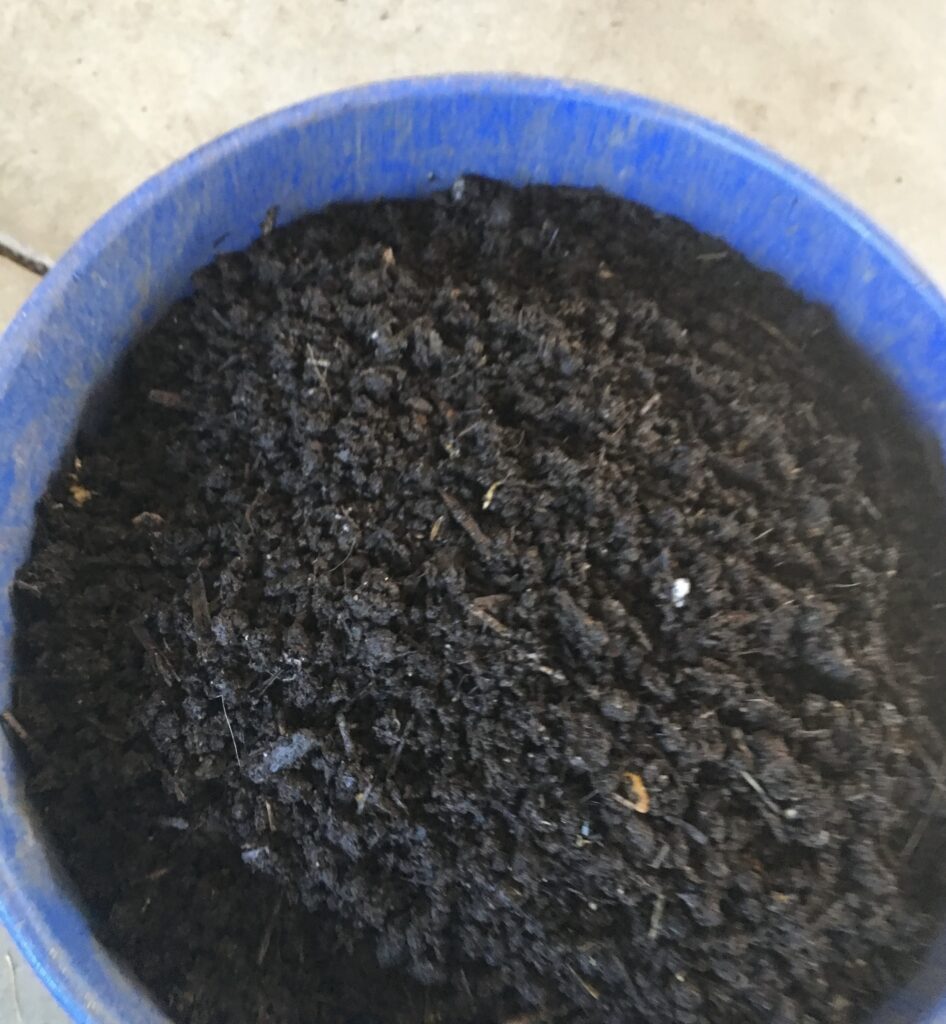
Worm castings are the nutrient-rich waste produced by earthworms after they digest organic matter. These castings are packed with beneficial microbes, organic compounds, humus, and plant-available nutrients. Unlike chemical fertilizers, worm castings improve the entire soil ecosystem. They help create healthier soil structure while naturally feeding plants over time.
Gardeners commonly use worm castings for:
- Vegetable gardens
- Raised beds
- Indoor plants
- Lawns
- Trees and shrubs
- Seed starting mixes
- Compost enhancement
One of the biggest benefits of worm castings is their ability to improve water retention in both sandy and clay-heavy soils.
How Worm Castings Improve Water Retention
1. Worm Castings Increase Soil Organic Matter
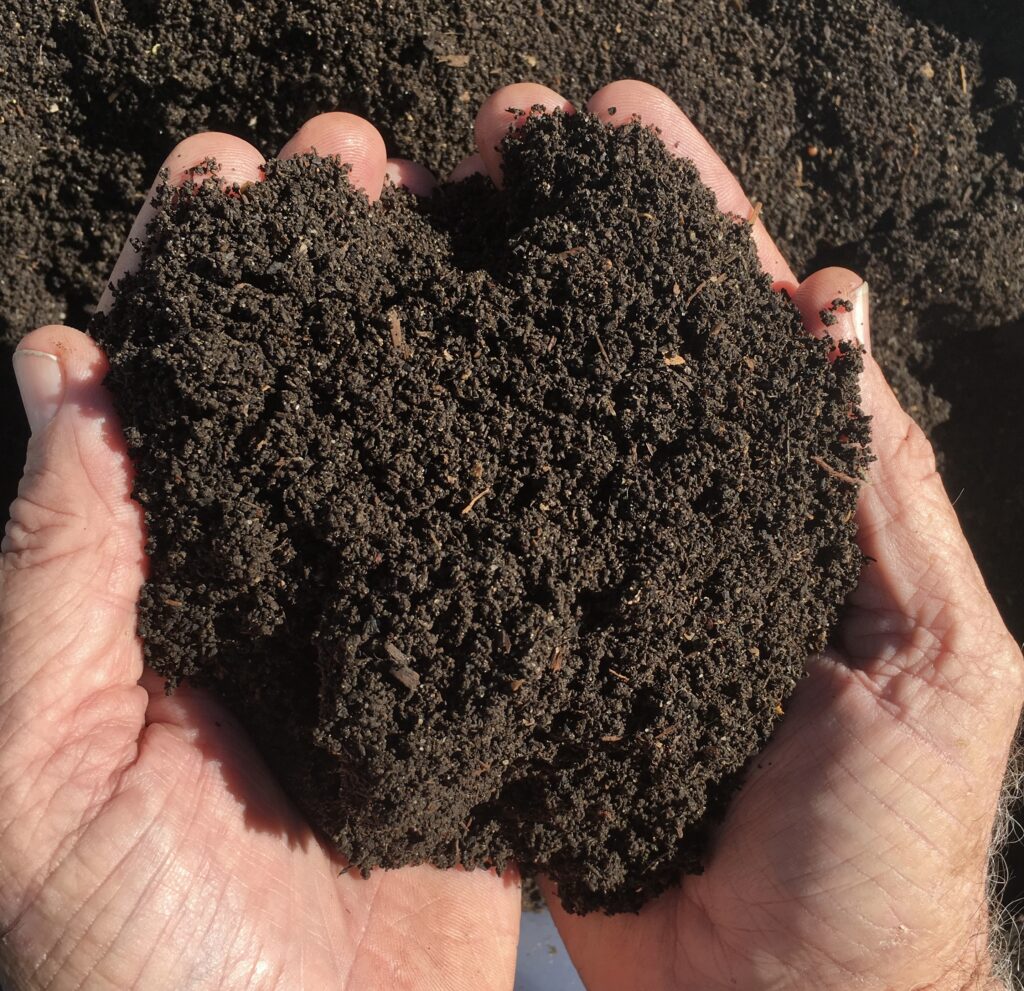
Healthy soil needs organic matter to absorb and store moisture. Worm castings are rich in stabilized organic material called humus, which acts like a sponge in the soil. Humus can hold several times its weight in water, helping soil stay moist longer between watering sessions. According to the USDA, healthy soil rich in organic matter improves moisture retention and plant resilience.
This is especially valuable for:
- Sandy soils that drain too quickly
- Raised beds that dry out fast
- Container gardens
- Areas experiencing drought conditions
By increasing organic matter levels, worm castings help create soil that retains moisture without becoming waterlogged.
2. Improved Soil Structure Reduces Runoff
Compacted soil often causes water to pool on the surface or run off before roots can absorb it. Worm castings help loosen compacted soil and improve aggregation.
Better soil structure allows water to:
- Penetrate deeper into the root zone
- Spread evenly through the soil
- Remain available to plants longer
3. Worm Castings Support Beneficial Microbes

Healthy soil microbes play a major role in water management. Worm castings introduce beneficial bacteria and fungi that help create a living soil ecosystem. These microbes produce natural compounds that improve soil texture and increase moisture-holding capacity over time.
Living soils tend to:
- Retain water more efficiently
- Resist erosion
- Recover faster during dry periods
- Support stronger plant roots
4. Better Root Growth Means Better Water Efficiency
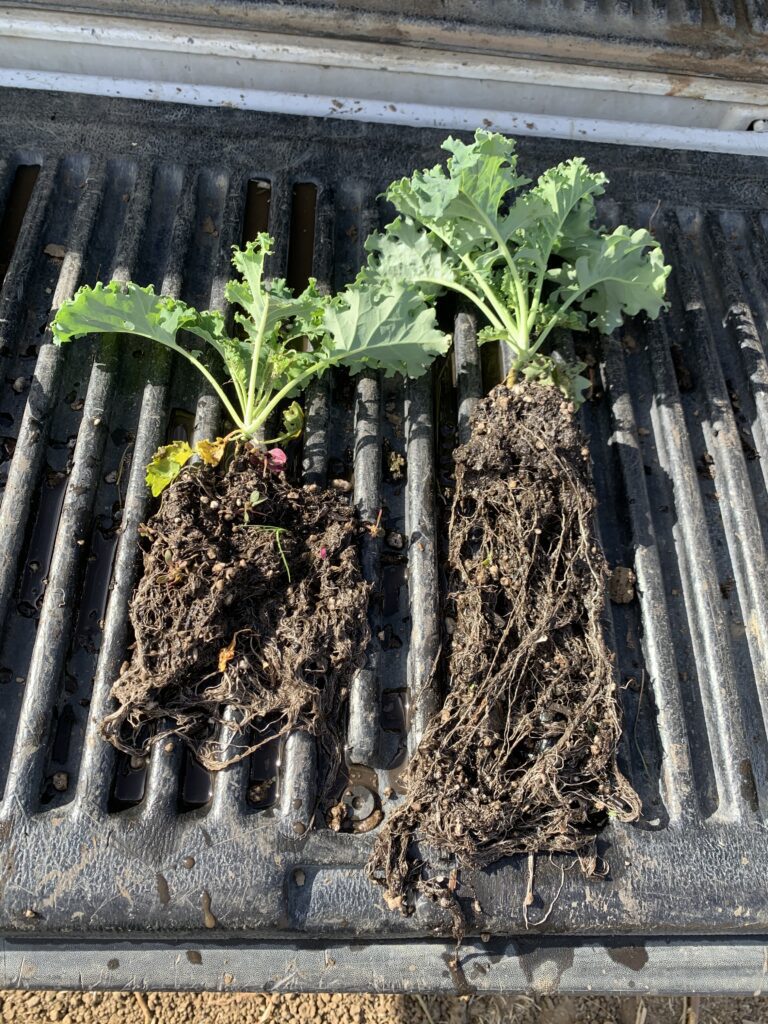
Plants grown with worm castings often develop larger, healthier root systems. Strong roots can access water deeper in the soil profile, making plants more drought tolerant. Because worm castings release nutrients slowly, plants experience less stress compared to synthetic fertilizers that can cause rapid, weak growth.
Healthier roots help plants:
- Use water more efficiently
- Resist heat stress
- Recover faster after dry spells
- Maintain steady growth
Benefits of Using Worm Castings for Water Retention
Using worm castings in your soil offers multiple long-term benefits beyond simply reducing watering frequency.
Key Benefits Include:
- Improved moisture retention
- Reduced soil compaction
- Better drought resistance
- Enhanced microbial life
- Increased nutrient availability
- Stronger root development
- Reduced fertilizer dependency
- Improved soil aeration
For gardeners looking to conserve water naturally, worm castings are one of the most effective organic soil amendments available.
How to Use Worm Castings for Better Water Retention
Mix Into Garden Soil
Blend worm castings directly into existing soil before planting.
Recommended Ratio
- 10–20% worm castings mixed into soil
This improves both moisture retention and nutrient availability.
Add to Raised Beds
Raised beds often dry out faster than in-ground gardens. Adding worm castings helps beds stay moist longer.
Apply:
- 1–2 inches across the surface
- Mix into the top few inches of soil
Use in Potting Mixes
Container plants benefit greatly from worm castings because pots lose moisture quickly.
For potted plants:
- Mix 10–15% worm castings into potting soil
This helps reduce watering frequency and supports healthier root systems.
Top Dress Around Plants
You can also apply worm castings around established plants as a top dressing.
Spread:
- ½ to 1 inch around the base of plants
Water afterward to help nutrients and microbes move into the soil.
Worm Castings vs Other Soil Amendments
Many gardeners compare worm castings to peat moss, compost, or synthetic moisture-retaining products.
Here’s why worm castings stand out:
| Amendment | Water Retention | Nutrients | Microbial Life | Sustainability |
|---|---|---|---|---|
| Worm Castings | Excellent | High | Excellent | Highly Sustainable |
| Peat Moss | Good | Low | Minimal | Less Sustainable |
| Compost | Moderate | Moderate | Good | Sustainable |
| Synthetic Crystals | High | None | None | Artificial |
Worm castings improve water retention while also building healthier living soil.
Are Worm Castings Safe for All Plants?
Yes. Worm castings are gentle enough for virtually all plants and will not burn roots like synthetic fertilizers can.
They are ideal for:
- Vegetables
- Herbs
- Flowers
- Houseplants
- Fruit trees
- Seedlings
Because they release nutrients slowly, they provide consistent support without overwhelming delicate plants.
To get the best results, combine worm castings with other healthy gardening practices:
Tips for Maximizing Water Retention Naturally
Add Mulch
Mulch helps reduce evaporation and keeps soil temperatures stable.
Avoid Over-Tilling
Excessive tilling damages soil structure and microbial life.
Water Deeply
Deep watering encourages stronger roots and better drought resistance.
Build Soil Over Time
Healthy soil improves season after season with consistent organic matter additions.
Final Thoughts on Worm Castings for Water Retention
Worm castings are one of the most effective natural tools for improving water retention in soil. They help create healthier soil structure, increase microbial activity, and support stronger root systems that use water more efficiently.
Whether you’re growing vegetables in raised beds, caring for houseplants, or improving large garden spaces, worm castings can help reduce watering needs while producing healthier, more resilient plants.
For gardeners focused on sustainability, drought resistance, and long-term soil health, worm castings truly are a game-changing organic amendment.
Frequently Asked Questions
Do worm castings really help soil hold water?
Yes. Worm castings improve soil structure and increase organic matter, allowing soil to retain moisture more effectively.
How often should I apply worm castings?
Most gardens benefit from applications every 2–3 months during the growing season.
Can worm castings replace fertilizer?
Worm castings provide valuable nutrients, but many gardeners combine them with compost or organic fertilizers for complete nutrition.
Are worm castings good for sandy soil?
Absolutely. Worm castings are especially helpful for sandy soils because they improve moisture retention and nutrient-holding capacity.
Can you use too many worm castings?
Worm castings are very safe, but using extremely high amounts may reduce soil balance. A 10 – 20% blend is usually ideal.