Bringing a Tired Lawn Back to Life — Starting With the Soil
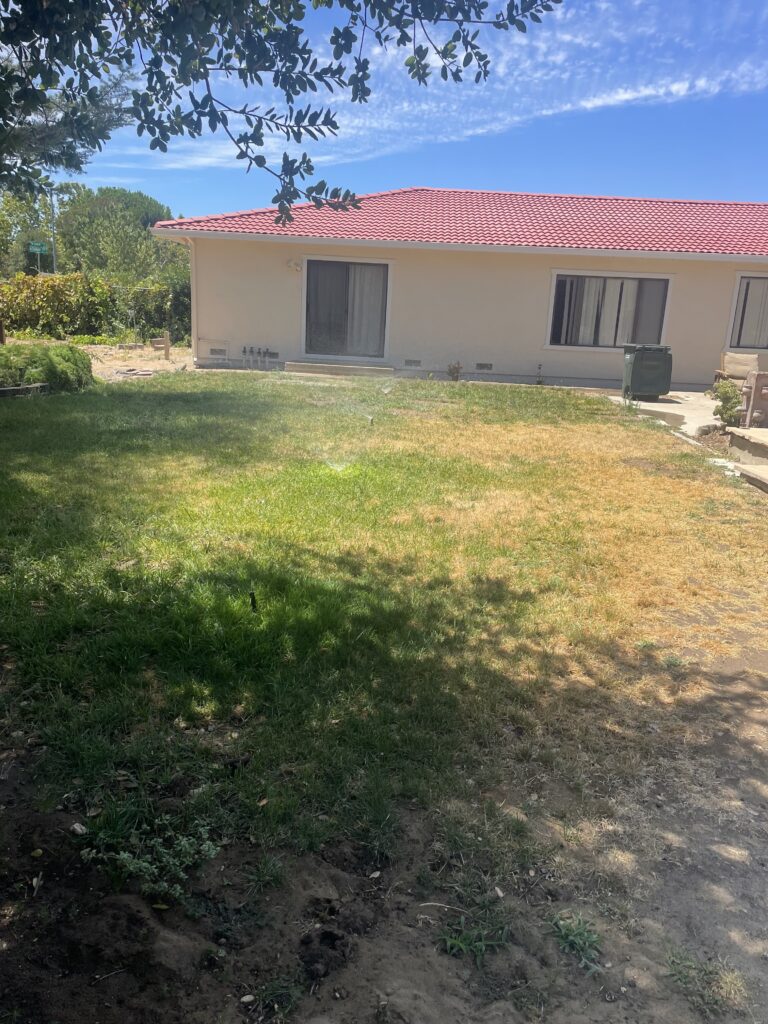
We wanted to see if we could restore the lawn with compost, water, and better care of the soil rather than starting over.
The grass was brown and thin, bare soil was showing through, and after a hot East Contra Costa County summer, it would have been easy to assume the answer was to tear everything out and start over.
We decided to try something different.
Instead of starting with the grass, we started with the soil.
Over the next several weeks, we followed four simple steps: water, compost, mow, and let life return.
Phase 1: Water — Find Out What Is Still Alive
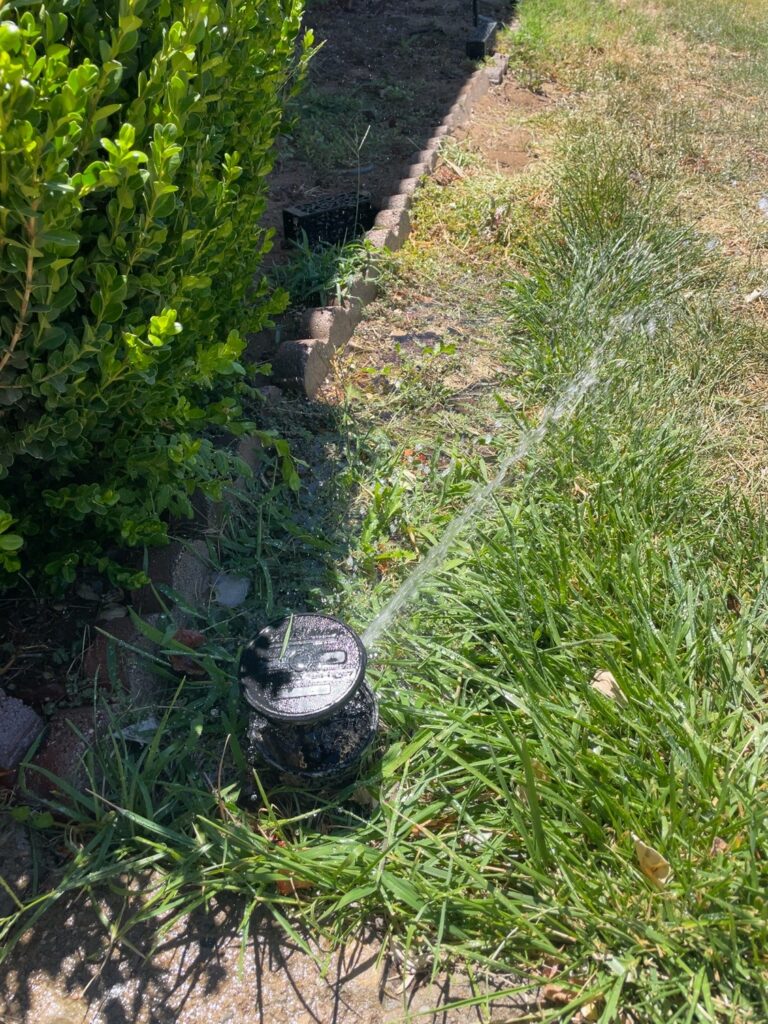
The first step was simply water.
Before adding fertilizer, reseeding, or replacing the lawn, we wanted to see what would happen if the existing soil received consistent moisture again.
Slowly, patches of green began appearing.
That told us something important: there was still life here. The lawn didn’t need to be replaced immediately. It needed help recovering.
Water was the beginning—but water alone wasn’t going to rebuild depleted soil.
Phase 2: Compost — Feed the Soil
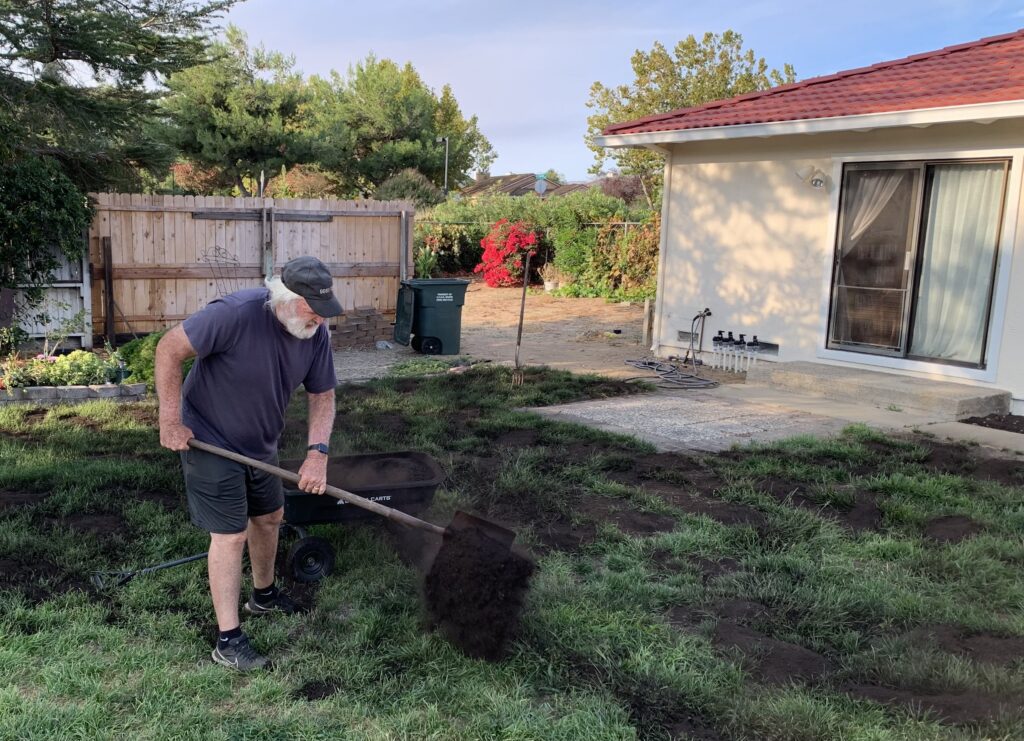
Next came compost.
We spread a thin layer across the existing lawn, working it down between the blades of grass and onto the soil surface.
The goal wasn’t simply to make the grass green. We wanted to add organic matter and improve the environment underneath the lawn.
Healthy soil needs more than water. Organic matter helps the soil hold moisture and provides food and habitat for the organisms that make up a living soil ecosystem.
Instead of thinking, “What does the grass need?”, we began asking:
“What does the soil need?”
That’s an important distinction.
Phase 3: Mow — Encourage New Growth
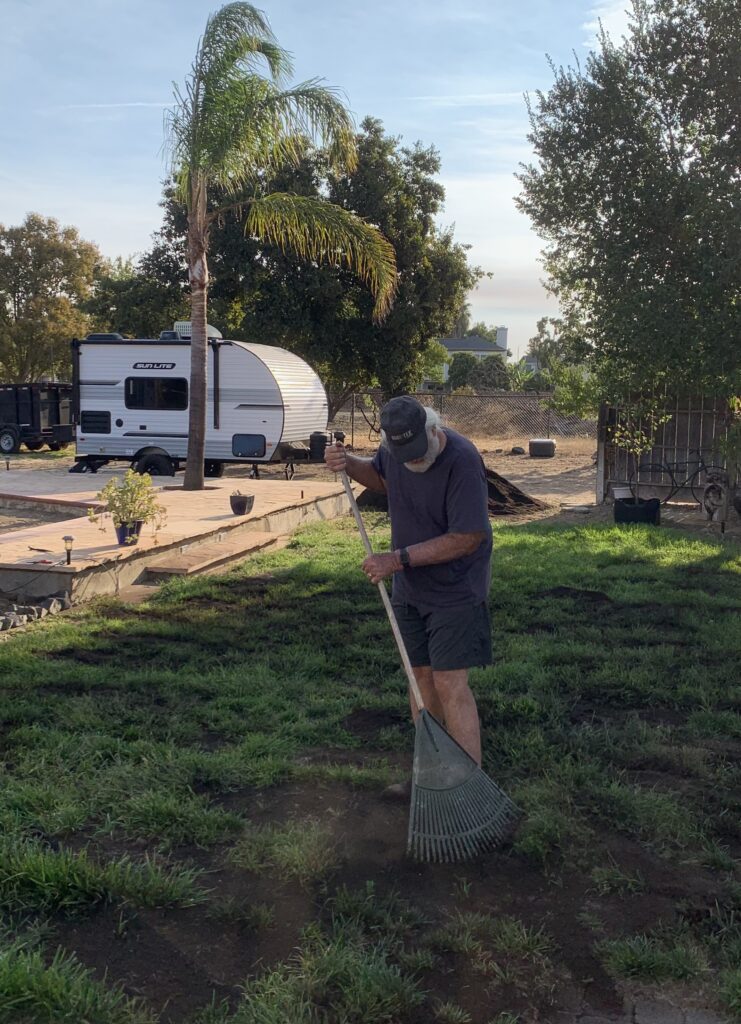
Once the grass started actively growing again, it was time to begin mowing.
Mowing wasn’t just about making the yard look better. Regular mowing helped us manage the recovering lawn while returning small amounts of organic material to the soil.
We weren’t looking for perfection.
Some areas recovered faster than others. There were still thin spots and weeds. That’s okay. Our goal was to establish a healthier living system first and improve it over time.
And week by week, there was noticeably more green.
Phase 4: Bring Back Life
[PHOTO: The green lawn with the cat]

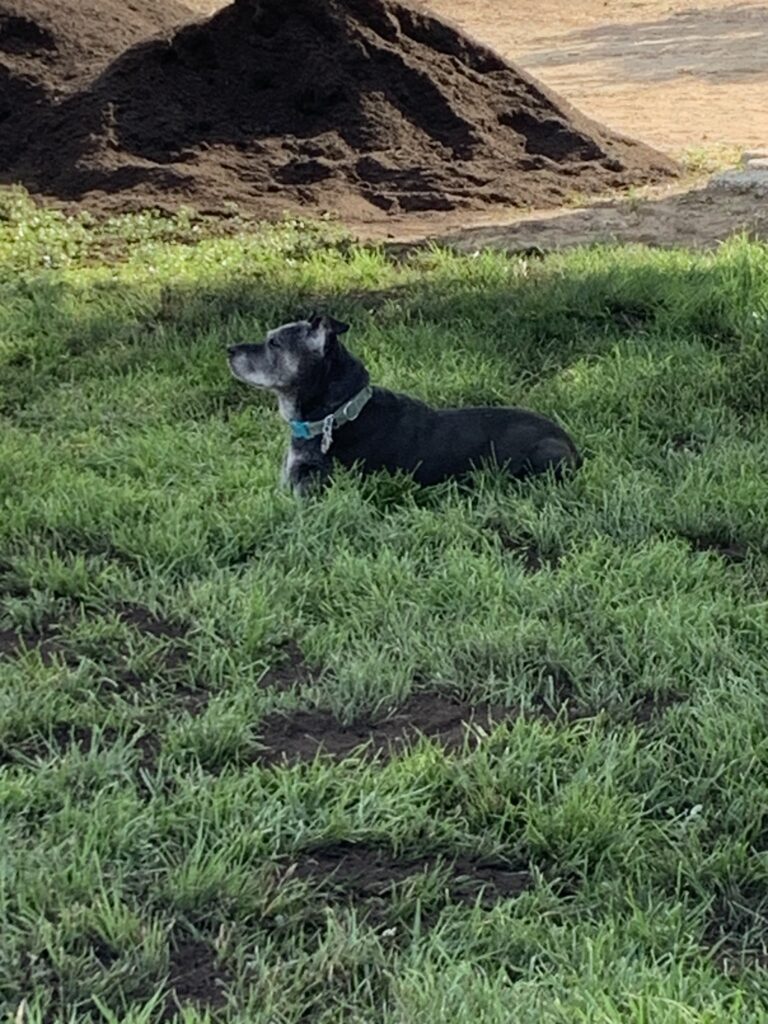
This may be my favorite phase.
Eventually we weren’t just looking at greener grass.
We started seeing a backyard that felt alive again.
The grass became a place where the pets wanted to lie down. Birds and insects returned. The yard began looking and feeling completely different from the dry landscape we started with.
That’s when the lesson really came together for me:
A healthy lawn isn’t just about grass. It’s about creating healthy soil that can support life.
Water woke things up.
Compost added organic matter.
Mowing helped manage the new growth.
And nature did a lot of the rest.
What We Learned
This project is still a work in progress, and that’s part of the fun.
We’re learning that improving soil doesn’t always require complicated solutions. Sometimes you can start with a few basic principles: conserve the life that’s already there, provide moisture, add quality organic matter, and give the soil time to respond.
At Delta Worms, we spend a lot of time thinking about compost, vermicompost, worms and soil biology. This backyard gave us an opportunity to see those same principles at work on a larger scale.
The difference between the first photograph and the last isn’t just brown grass versus green grass.
It’s the beginning of rebuilding a living soil.
And we’re just getting started.
Water – Compost – Mow – Bring Back Life.
Sometimes the best way to grow what’s above the ground is to start by taking care of what’s underneath it.