Garden Mulch: One Thing Every Great Garden Has in Common
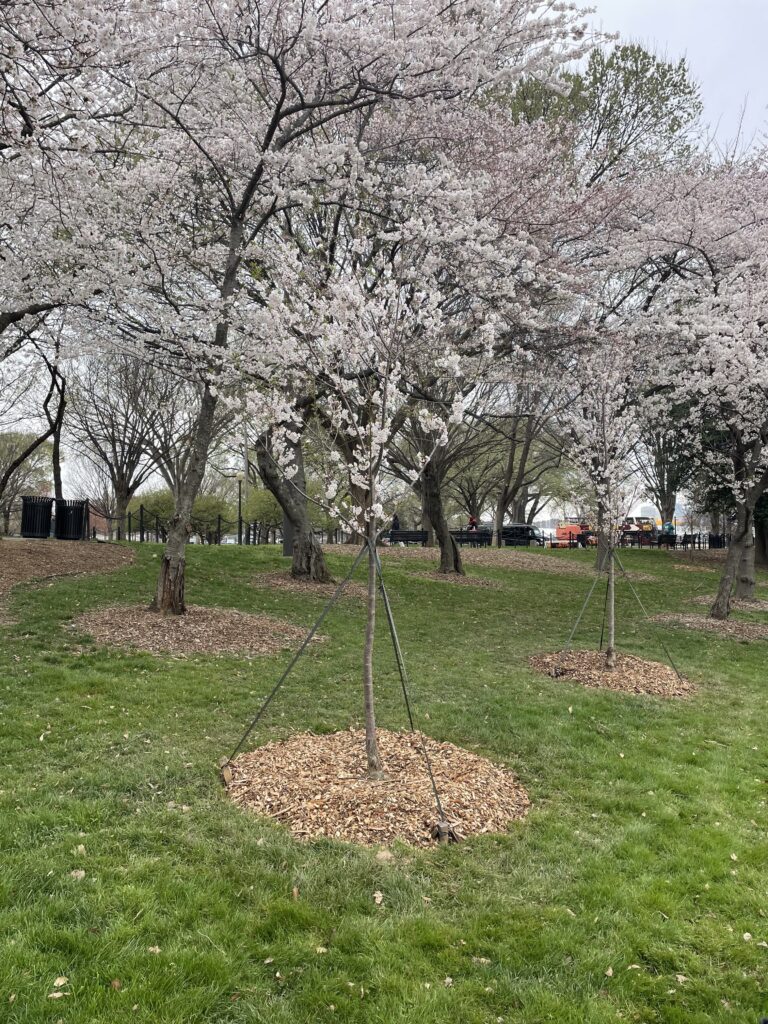
Garden Mulch: Four Famous Gardens One Common Secret.
Garden mulch is one thing every great garden has in common. This year I visited several famous gardens—including the U.S. Capitol Rose Garden, Hearst Castle, and the Ronald Reagan Presidential Library—and every one of them used generous layers of mulch.
- Washington, D.C.
- California State Capitol Rose Garden
- Hearst Castle
- Ronald Reagan Presidential Library
Each garden is unique.
Some receive plenty of summer humidity. Others experience months with little rainfall. Some endure freezing winters while others rarely see frost.
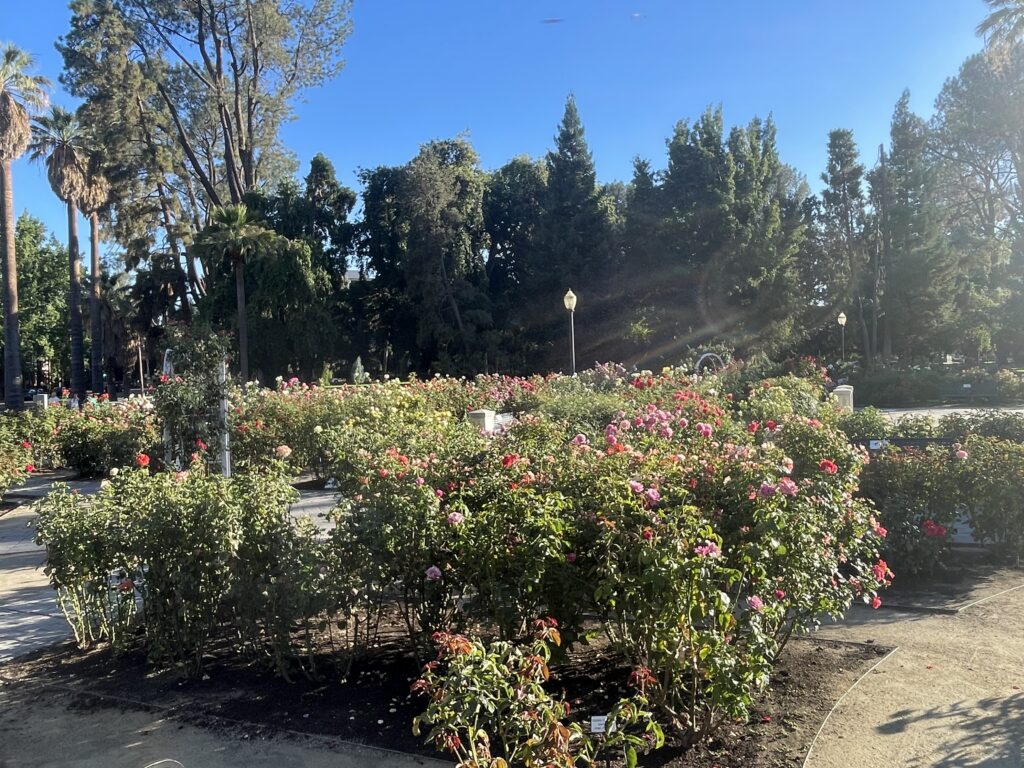
The plants are different.
The climate is different.
The soils are different.
But one gardening practice was remarkably consistent.
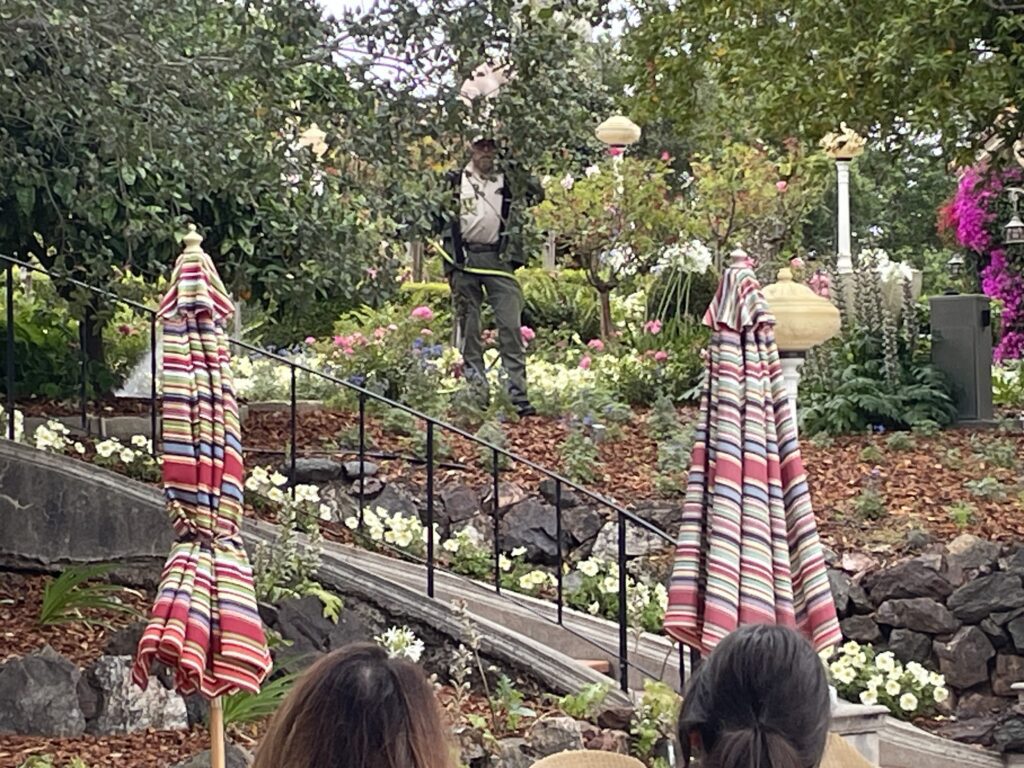
Every garden was heavily mulched.
That observation reinforced something experienced gardeners have known for generations.
Healthy plants begin with healthy soil. And healthy soil is protected by mulch.
Different Microclimates, Same Solution
One of the things that fascinated me during these visits was how different each garden’s environment really is.
| Garden | Climate | Primary Gardening Challenges | Mulch Used |
|---|---|---|---|
| Washington, D.C. | Humid summers, cold winters | Freeze/thaw cycles, summer heat | Yes |
| California State Capitol Rose Garden | Hot inland Mediterranean | Extreme summer heat, dry soils | Yes |
| Hearst Castle | Cool coastal Mediterranean | Wind, shallow soils, drought | Yes |
| Ronald Reagan Presidential Library | Hot, dry Southern Califonia | Intense sun, drought, rocky soils | Yes |
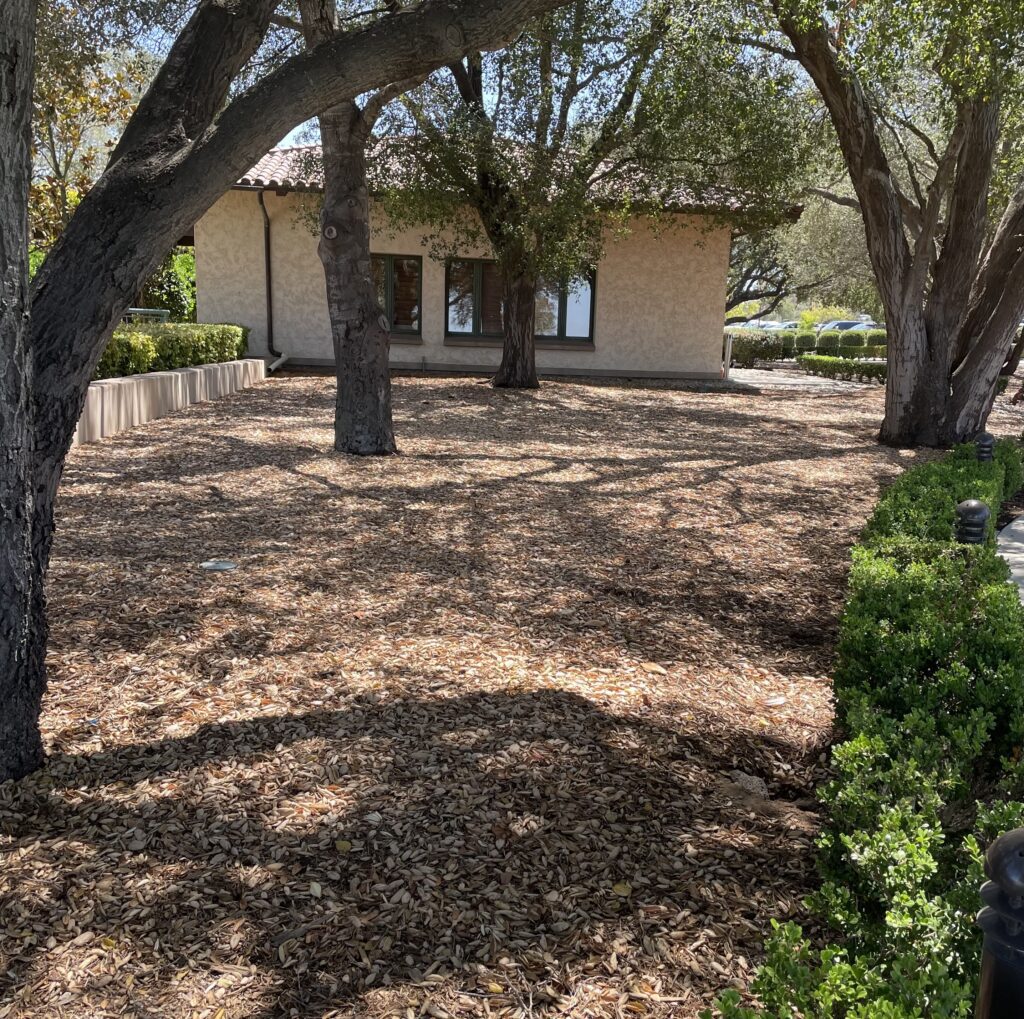
Despite these very different microclimates, every professional garden used mulch as one of its primary soil management tools.
That isn’t a coincidence.
It reflects a simple principle of good gardening. No matter where you garden, protecting the soil is one of the first steps toward healthy plants.
Protect the soil first, and healthier plants will follow.
Mulch Creates Its Own Microclimate
Gardeners often ask,
“What mulch works best in my climate?”
The better question may be,
“How can mulch improve the climate around my soil?”
Mulch creates its own microclimate by moderating soil temperature and conserving moisture.
The air temperature may climb above 100°F, but just a few inches beneath a layer of mulch the soil remains cooler, moister, and much more stable.
That protected environment supports earthworms, fungi, bacteria, and countless other beneficial organisms that keep soil alive.
In many ways, mulch isn’t feeding the plants directly.
It’s feeding the biology that supports the plants.
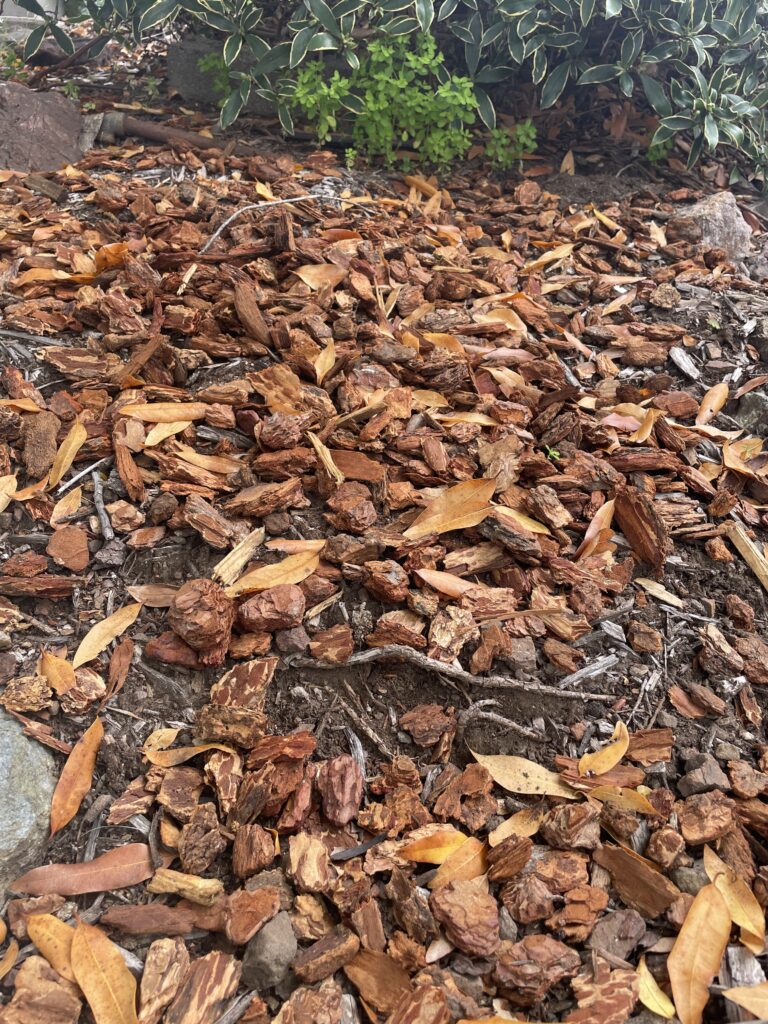
Different Mulches for Different Gardens
I also noticed that not every garden used the same mulch.
Some used coarse wood chips beneath trees.
Others used decorative bark around shrubs and flowers.
Some beds had finely shredded bark for a more formal appearance.
Others used larger arborist wood chips where function was more important than appearance.
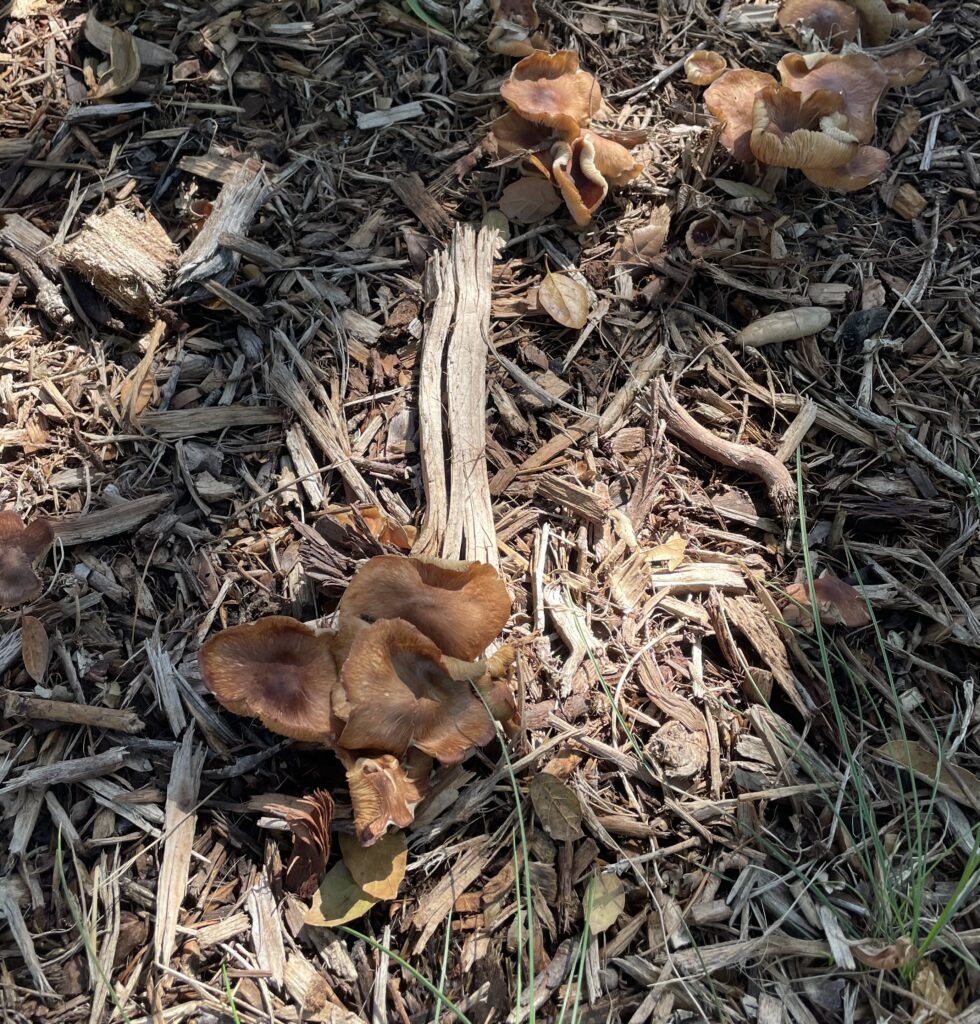
The material varied.
The climate varied.
The landscaping style varied.
But every professional garden understood one important lesson:
Bare soil is almost never the goal.
My Biggest Takeaway
Whether you’re gardening in East Contra Costa County or maintaining one of America’s most recognizable public gardens, the principles are remarkably similar.
Protect the soil.
Conserve moisture.
Feed the soil biology.
Allow nature to build healthier soil from the ground up.
After visiting these remarkable gardens, I came home more convinced than ever that mulch isn’t simply something that makes a landscape look neat and finished.
It is one of the most important tools we have for creating healthy, resilient gardens—no matter what microclimate we garden in. Mulch isn’t just a finishing touch—it’s one of the simplest investments you can make in healthier soil. Over time it feeds soil organisms, conserves water, and creates the conditions plants need to thrive.
The next time you visit a beautiful public garden, don’t just admire the flowers. Look down. Chances are you’ll find the same secret beneath your feet—a healthy layer of mulch protecting the soil.
Want to build healthier soil in your own garden? Explore our articles on composting, worm castings, and natural soil improvement to learn how small changes can produce healthier plants and better harvests.