How to Improve Soil Naturally: 8 Proven Ways to Build Healthy Garden Soil
By Delta Worms
Healthy soil is the foundation of every successful garden. Whether you’re growing vegetables, flowers, fruit trees, or houseplants, improving your soil naturally can lead to stronger plants, higher yields, better water retention, and fewer pest problems.
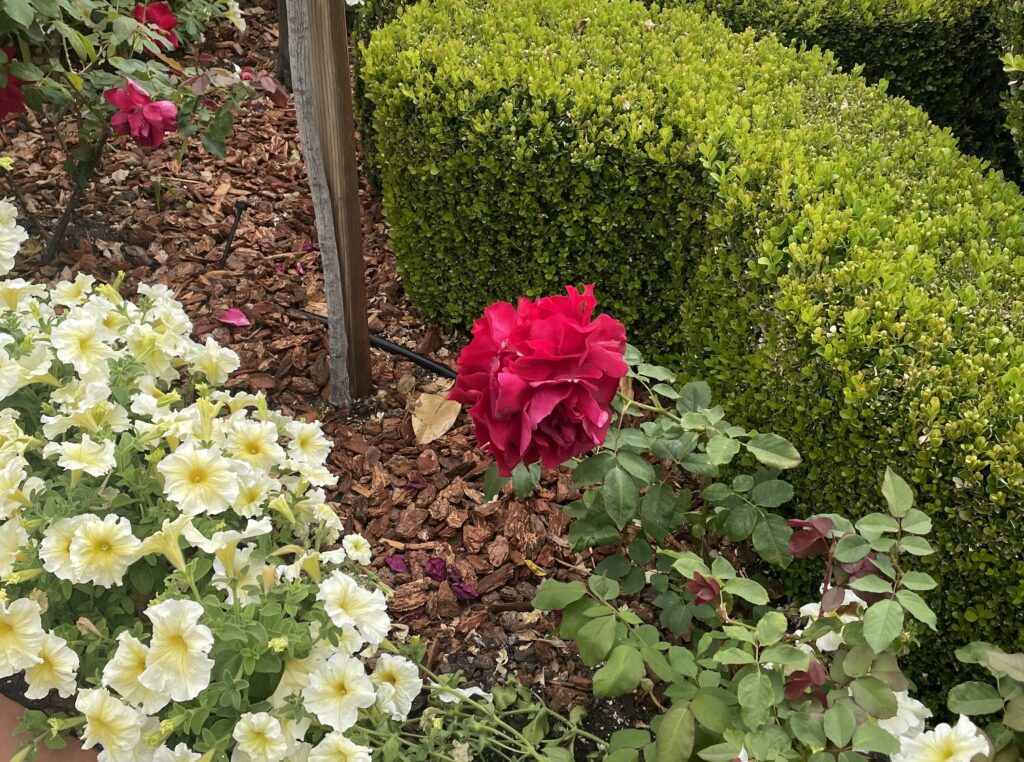
Many gardeners focus on feeding their plants, but experienced growers know the secret is feeding the soil. Healthy soil contains organic matter, beneficial microbes, earthworms, and nutrients that work together to support plant growth naturally.
In this guide, we’ll explore how to improve soil naturally using proven methods that build long-term soil health without relying on synthetic fertilizers.
Think of Soil as a System
As a systems engineer, I view soil as a living system rather than a growing medium.
Plants are only one component. Healthy soil also contains microorganisms, fungi, earthworms, organic matter, water, air, and nutrients. When these components work together, the system becomes more resilient and productive.
Many gardeners focus on feeding plants. I focus on building the soil system that feeds the plants.
When the soil improves, plant health often follows naturally.
Why Healthy Soil Matters
Soil is much more than dirt. Healthy soil is a living ecosystem filled with beneficial bacteria, fungi, earthworms, and organic matter that support plant growth.
Healthy soil helps:
- Retain moisture longer
- Improve root development
- Reduce erosion
- Increase nutrient availability
- Support beneficial microbes
- Improve plant resilience during heat and drought
- Reduce fertilizer requirements
When soil health improves, plants become stronger and more productive.
Add Organic Matter
One of the fastest ways to improve soil naturally is by adding organic matter.
Organic matter improves soil structure and helps create the ideal environment for beneficial soil life.
Common sources include:
- Compost
- Worm castings
- Shredded leaves
- Grass clippings
- Aged manure
- Cover crops
Organic matter acts like a sponge, helping soil retain moisture while improving drainage and aeration.
Use Compost Regularly
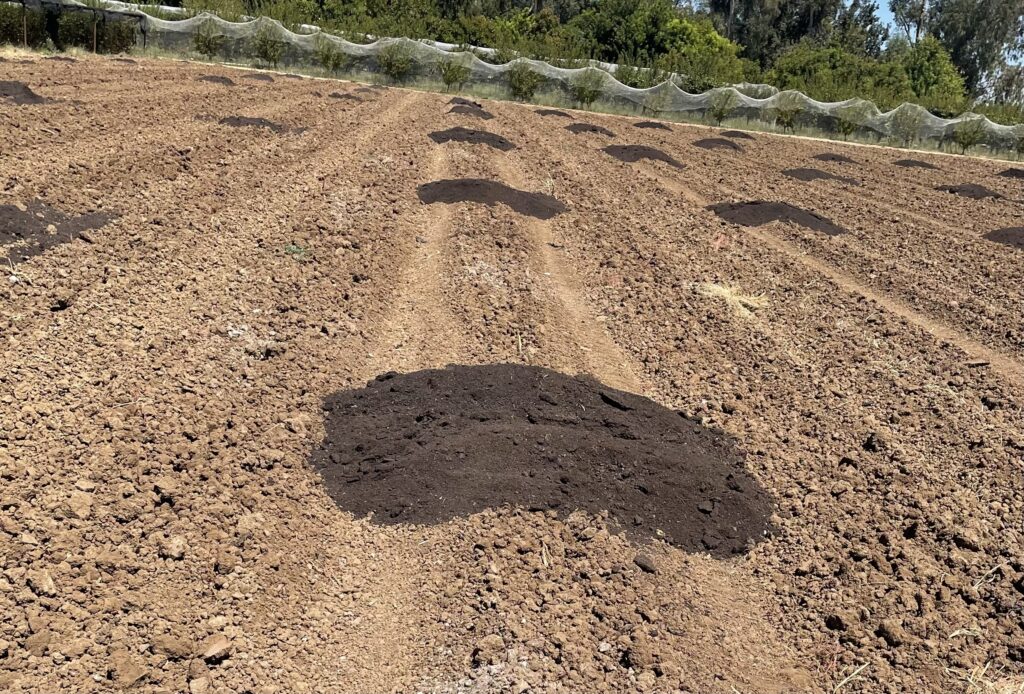
Compost is often called “garden gold” because it improves nearly every aspect of soil health.
Benefits of compost include:
- Increased organic matter
- Improved soil structure
- Better water retention
- Enhanced microbial activity
- Slow-release nutrients
Apply 1–2 inches of compost to garden beds each year and gently work it into the top few inches of soil.
For vegetable gardens, compost provides an excellent foundation for healthy growth.
Add Worm Castings
Worm castings are one of the most powerful natural soil amendments available.
Produced by composting worms, worm castings contain:
- Beneficial microbes
- Plant-available nutrients
- Humus
- Natural growth compounds
Worm castings help improve:
- Soil structure
- Moisture retention
- Nutrient availability
- Root development
- Microbial diversity
Unlike synthetic fertilizers, worm castings support the entire soil ecosystem while providing gentle nutrition for plants.
Many gardeners use worm castings in:
- Raised beds
- Vegetable gardens
- Houseplants
- Seed starting mixes
- Container gardens
Mulch Your Soil
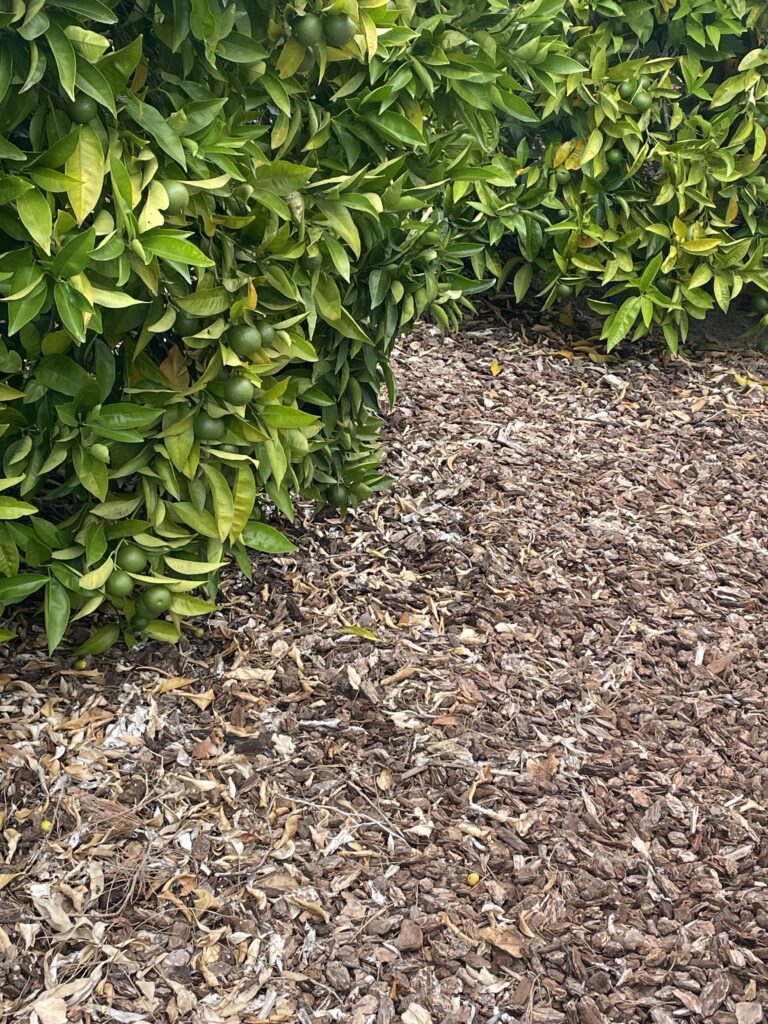
Mulch protects soil from extreme temperatures and moisture loss.
Benefits of mulching include:
- Reduced evaporation
- Weed suppression
- Improved moisture retention
- Reduced soil erosion
- Increased organic matter as mulch breaks down
Popular mulch materials include:
- Wood chips
- Straw
- Shredded leaves
- Compost
- Grass clippings
A 2–4 inch layer of mulch can significantly improve soil health over time.
Avoid Excessive Tilling
Frequent tilling disrupts soil structure and damages beneficial organisms.
Over-tilling can:
- Destroy fungal networks
- Increase erosion
- Reduce organic matter
- Disturb earthworm populations
Instead, consider low-till or no-till gardening methods that preserve soil biology and structure.
Healthy soil ecosystems develop best when left relatively undisturbed.
Encourage Beneficial Soil Biology
Healthy soil depends on billions of beneficial microorganisms.
These organisms help:
- Break down organic matter
- Release nutrients
- Improve soil structure
- Support plant health
You can encourage beneficial soil life by:
- Adding compost
- Applying worm castings
- Using mulch
- Avoiding excessive chemical inputs
- Maintaining proper soil moisture
Living soil is often the difference between average gardens and thriving gardens.
Grow Cover Crops
Cover crops improve soil naturally between growing seasons.
Popular cover crops include:
- Clover
- Vetch
- Rye
- Field peas
- Oats
Cover crops help:
- Prevent erosion
- Add organic matter
- Improve soil structure
- Suppress weeds
- Support beneficial microbes
Many farmers and gardeners use cover crops as a key part of long-term soil improvement.
Improve Water Retention Naturally
Healthy soil should hold moisture while still draining properly.
To improve water retention:
- Add compost
- Use worm castings
- Apply mulch
- Increase organic matter
- Reduce soil disturbance
Soils rich in organic matter often require less frequent watering and support healthier plants during drought conditions.
Test Your Soil
Before making major soil improvements, consider conducting a soil test. For science-based soil testing recommendations, consult your local Cooperative Extension Service or the University of California Agriculture and Natural Resources (UC ANR).
A soil test can reveal:
- pH levels
- Nutrient deficiencies
- Organic matter content
- Salt buildup
Understanding your soil’s current condition helps you make better decisions about amendments and improvements.
Signs Your Soil Is Improving
Healthy soil often shows visible improvements over time.
Look for:
- Darker soil color
- Increased earthworm activity
- Better moisture retention
- Improved plant growth
- Easier root penetration
- Reduced compaction
- More microbial activity
Soil improvement is a long-term process, but the results compound year after year.
Final Thoughts on Improving Soil Naturally
Improving soil naturally is one of the best investments you can make in your garden. By adding compost, applying worm castings, mulching regularly, and supporting beneficial soil biology, you can create healthier soil that produces stronger plants and better harvests.
Healthy soil doesn’t happen overnight, but consistent organic practices build a thriving soil ecosystem that continues improving season after season.
At Delta Worms, we believe healthy plants start with healthy soil. Our premiumh worm castings help gardeners throughout East Contra Costa County improve soil structure, support beneficial microbes, and grow stronger, more resilient plants naturally.
Frequently Asked Questions
What is the fastest way to improve soil naturally?
Adding compost and worm castings provides immediate benefits while also improving long-term soil health.
Do worm castings improve soil?
Yes. Worm castings improve soil structure, microbial activity, nutrient availability, and moisture retention.
How often should I add compost to my garden?
Most gardens benefit from an annual application of 1–2 inches of compost.
Is compost or worm castings better for improving soil?
Both serve different functions. Compost provides organic matter and improves soil structure, while worm castings contribute beneficial microorganisms and plant-available nutrients. Many gardeners achieve the best results by using both together.
Does mulch improve soil?
Yes. Mulch reduces evaporation, suppresses weeds, and eventually breaks down into organic matter that improves soil health.
Can poor soil be restored naturally?
Absolutely. Consistent additions of compost, worm castings, mulch, and organic matter can significantly improve soil quality over time.